



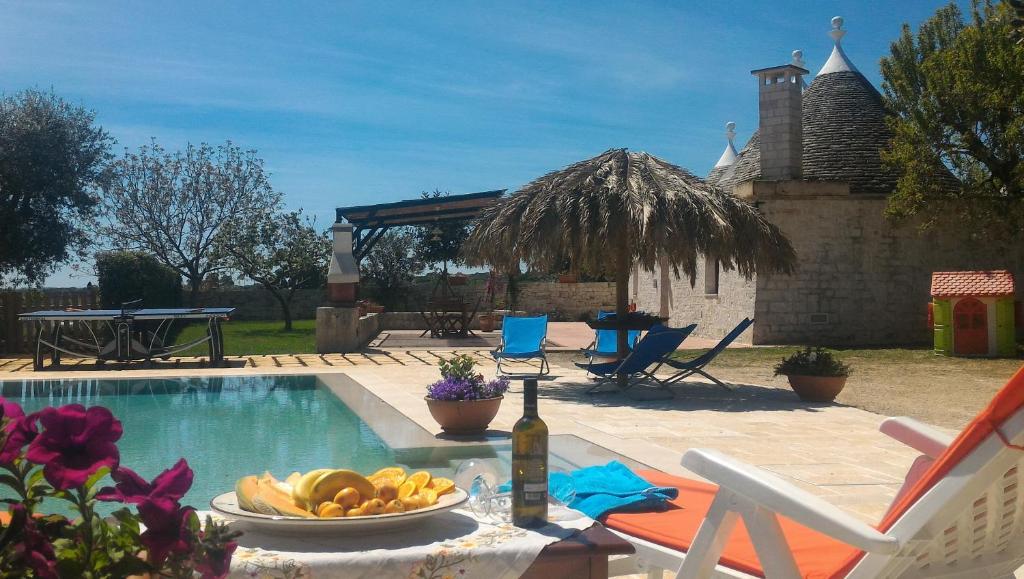
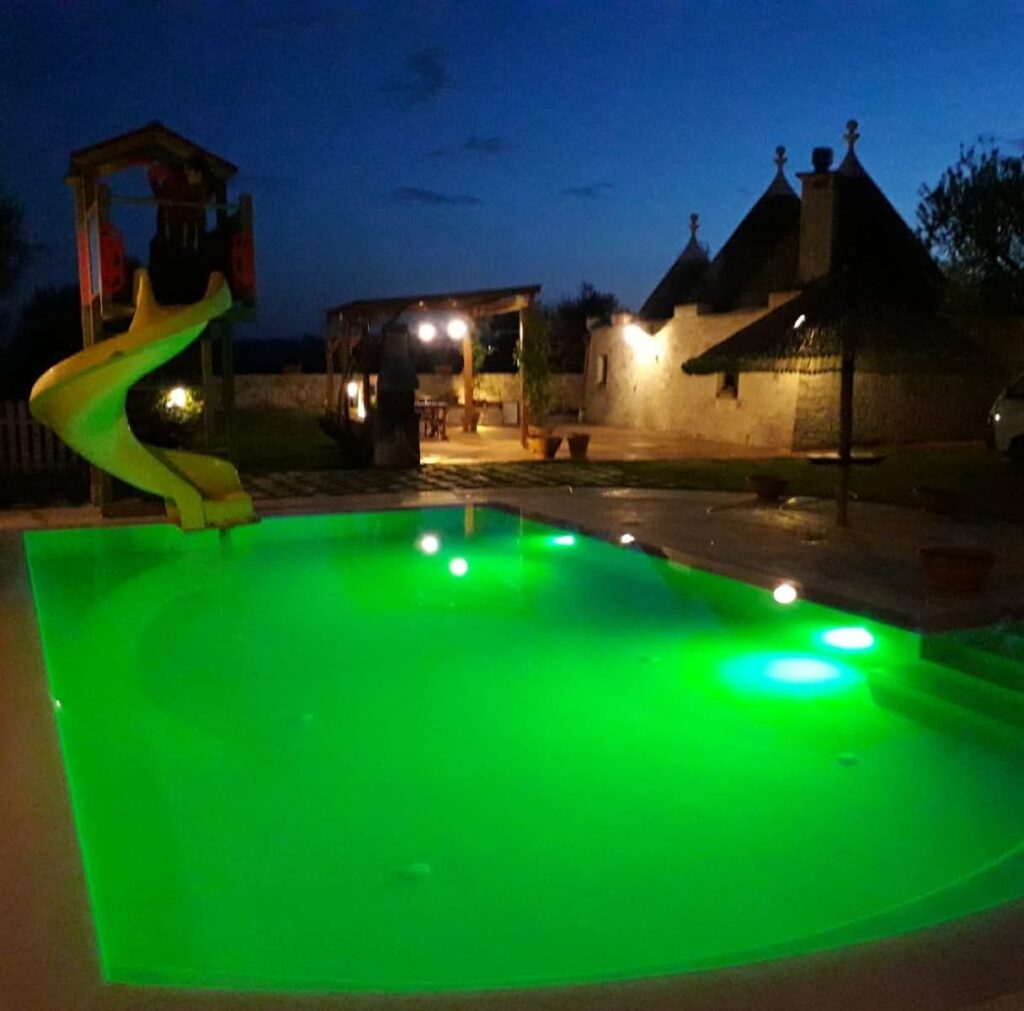
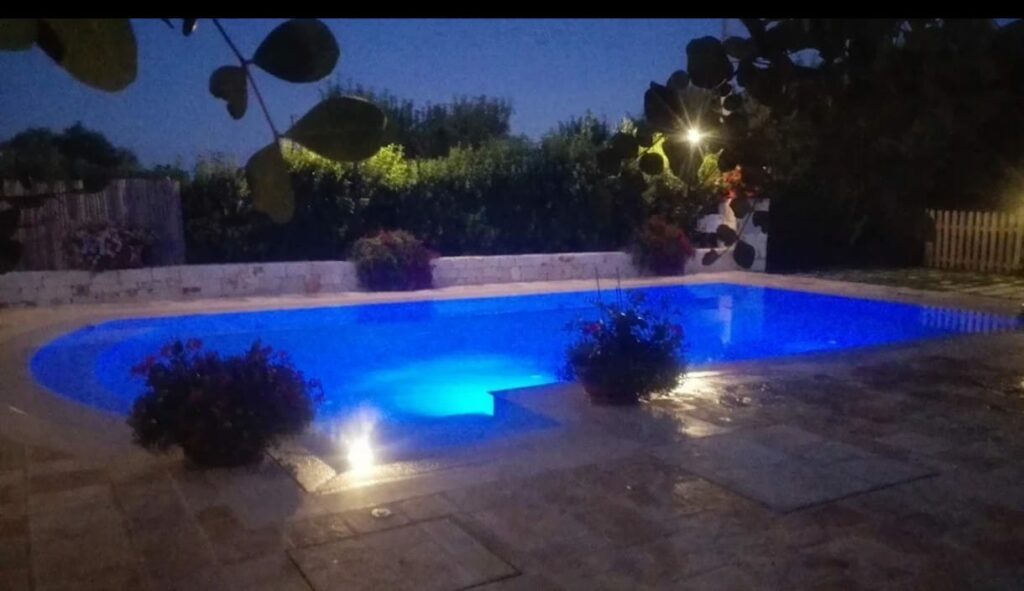
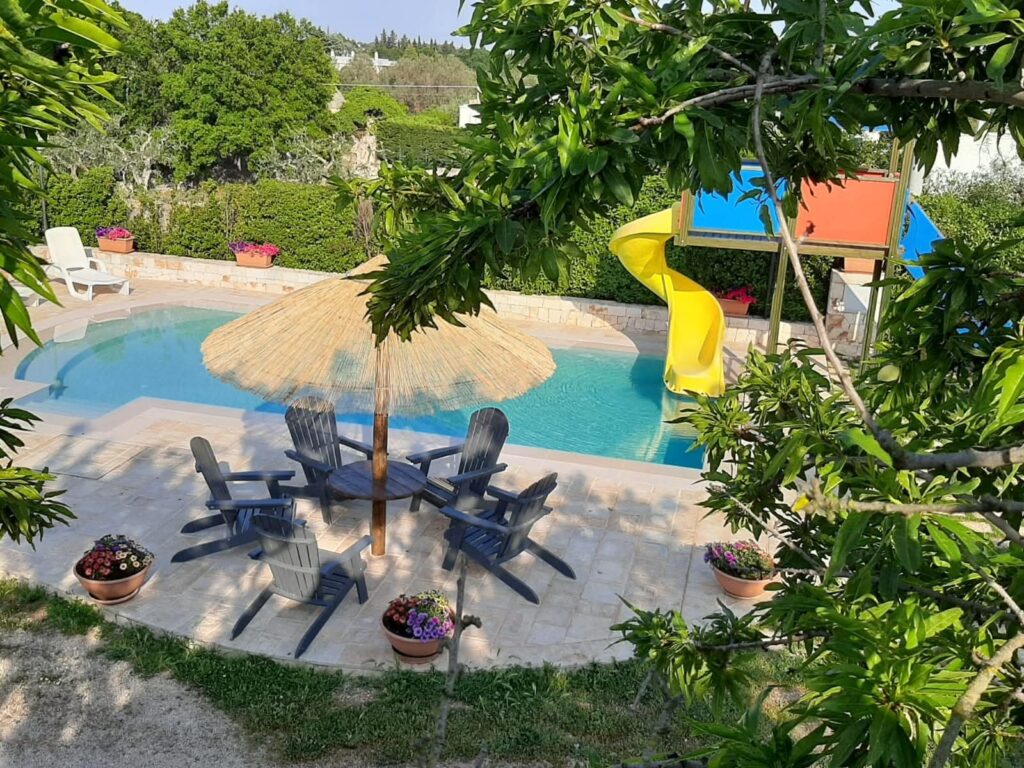
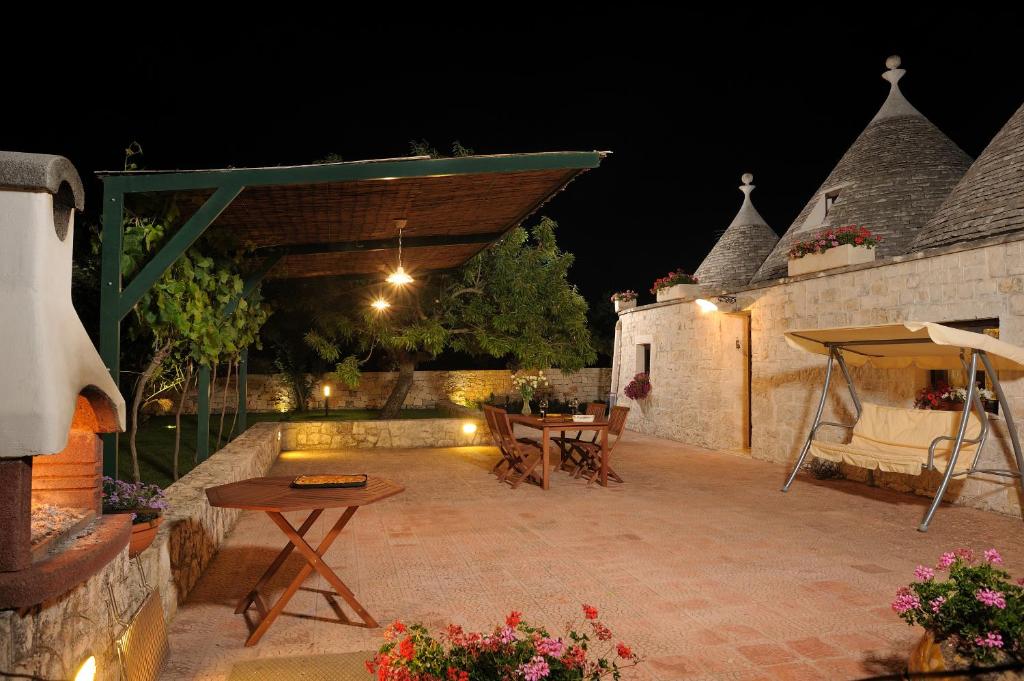


Trullo del Mandorlo located in Martina Franca, 36 km from the Cathedral of San Cataldo and 37 km from the Aragonese Castle, the Almond Tree Trullo is a cosy facility surrounded by greenery, with a garden and air conditioning. Guests can enjoy a private patio, table tennis table, free parking confidentiality and connection WiFi included.
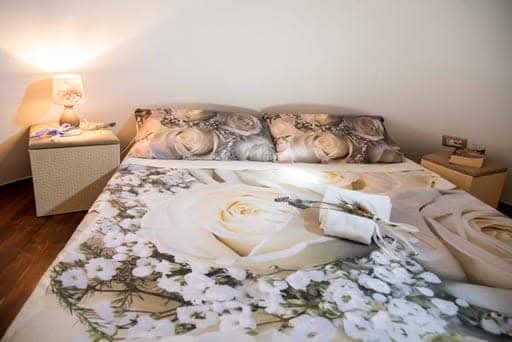
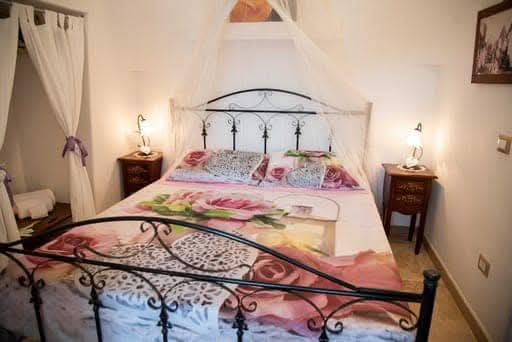
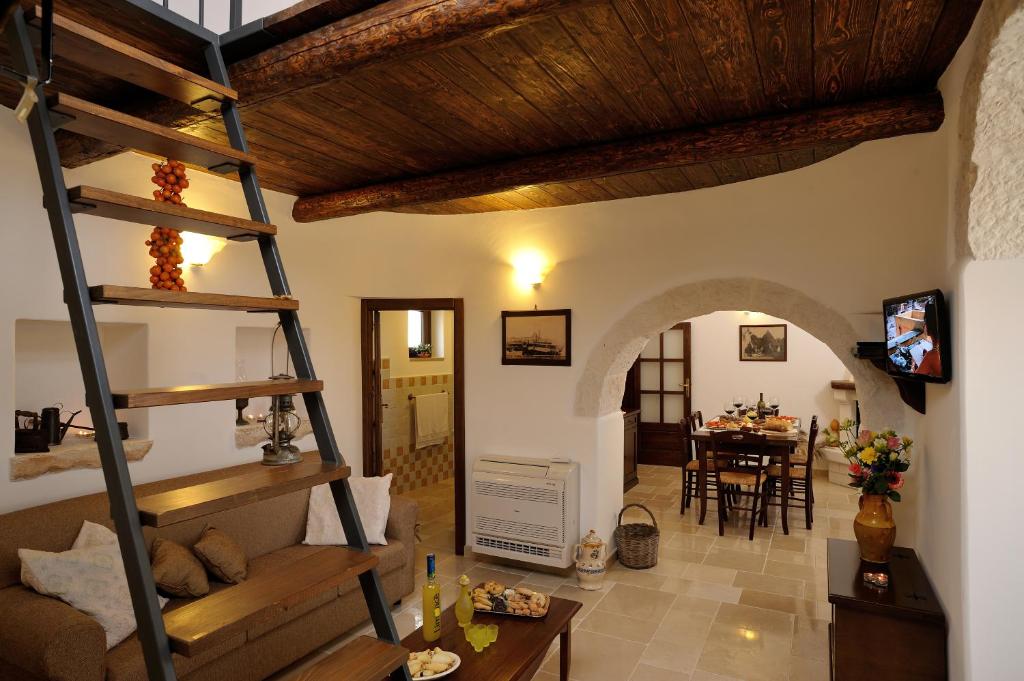
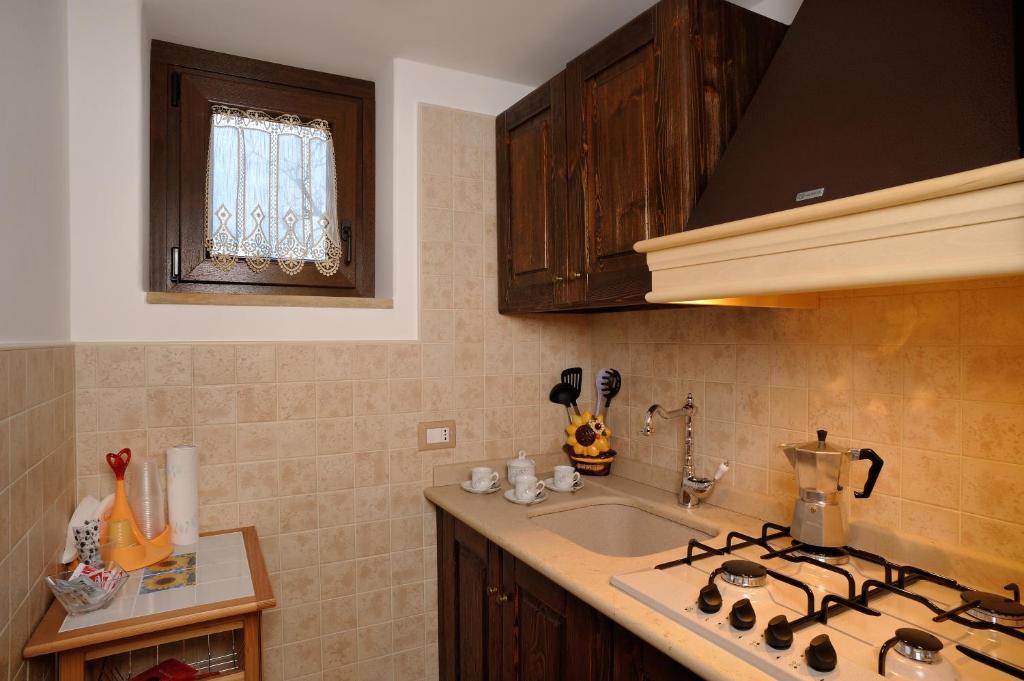
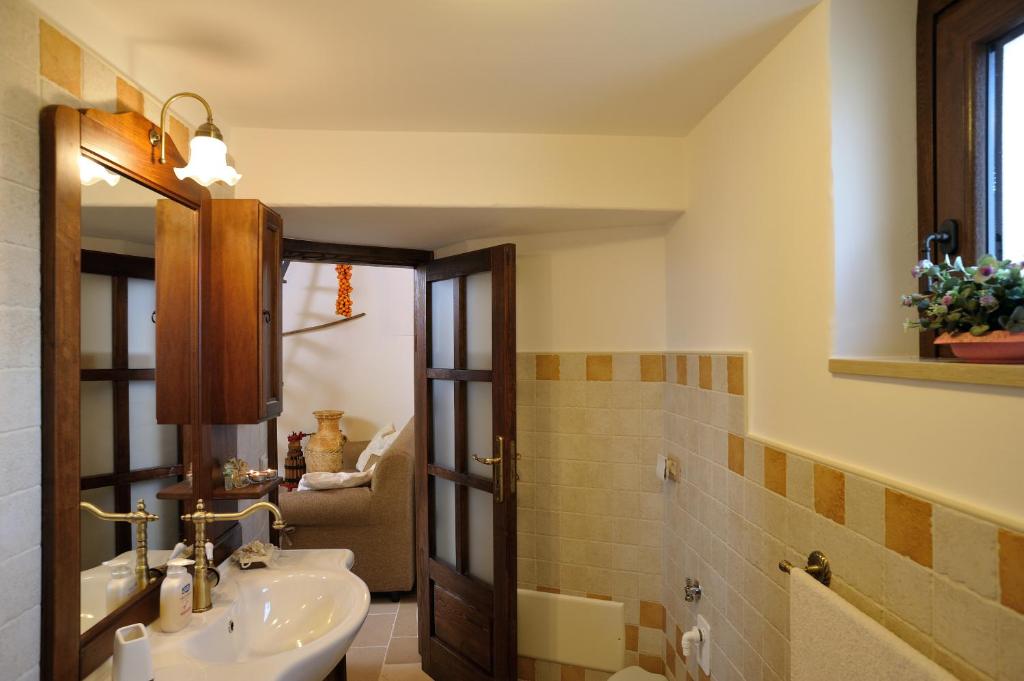
The villa includes two bedrooms, a fully equipped kitchen with refrigerator and dishwasher, TV, seating area and a bathroom with bidet. Towels and bed linen are provided to ensure a comfortable stay.
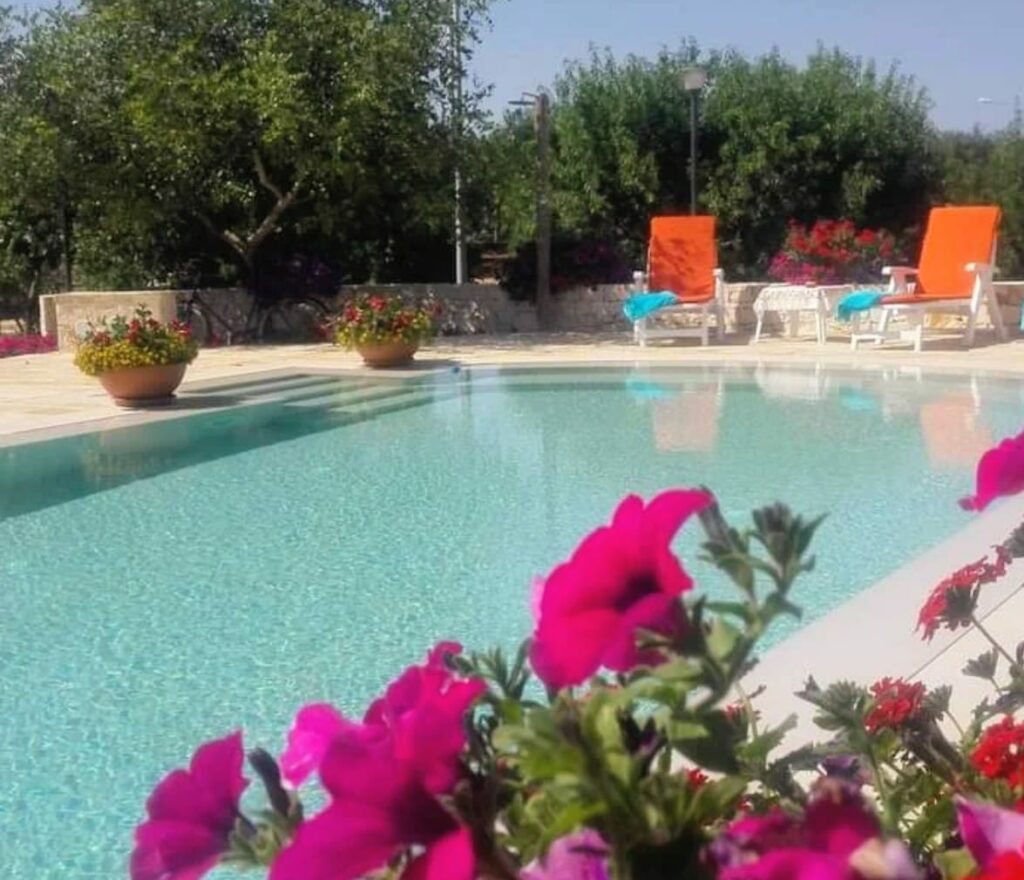
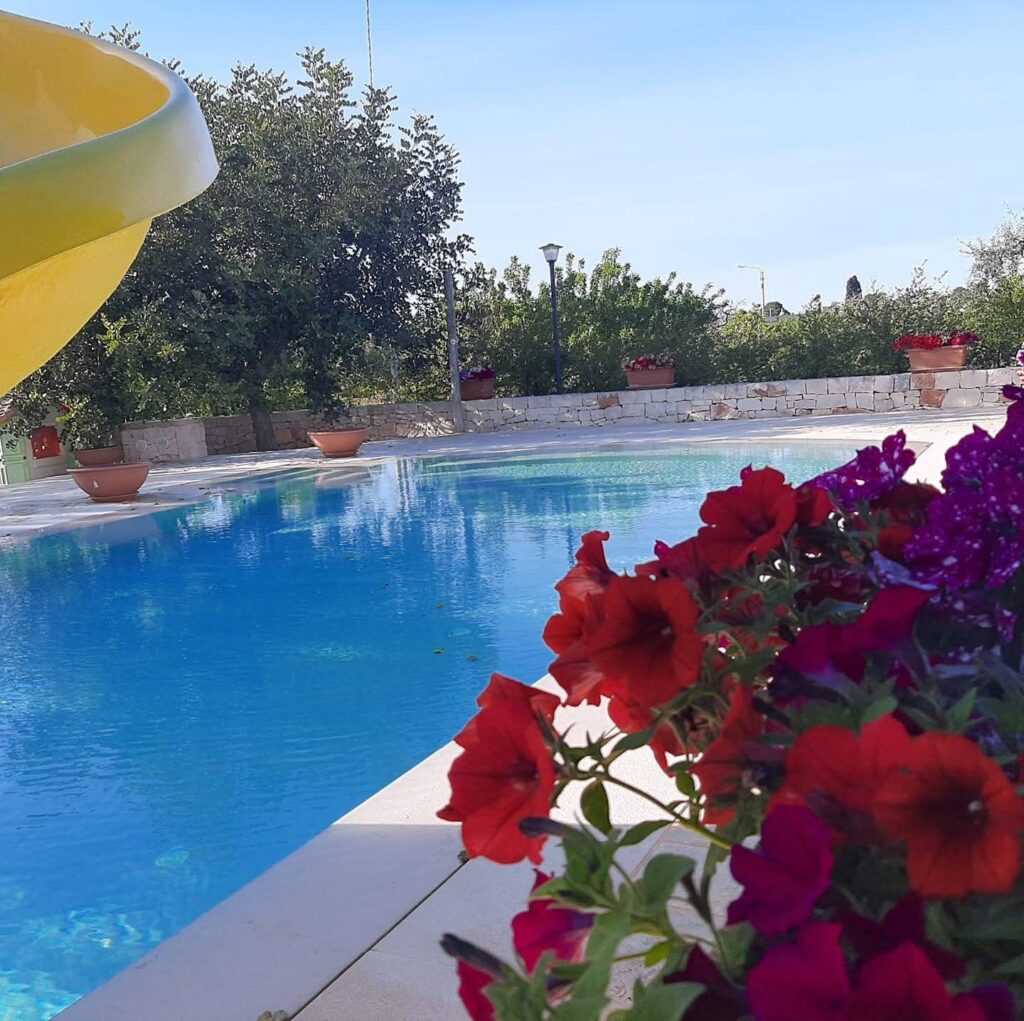
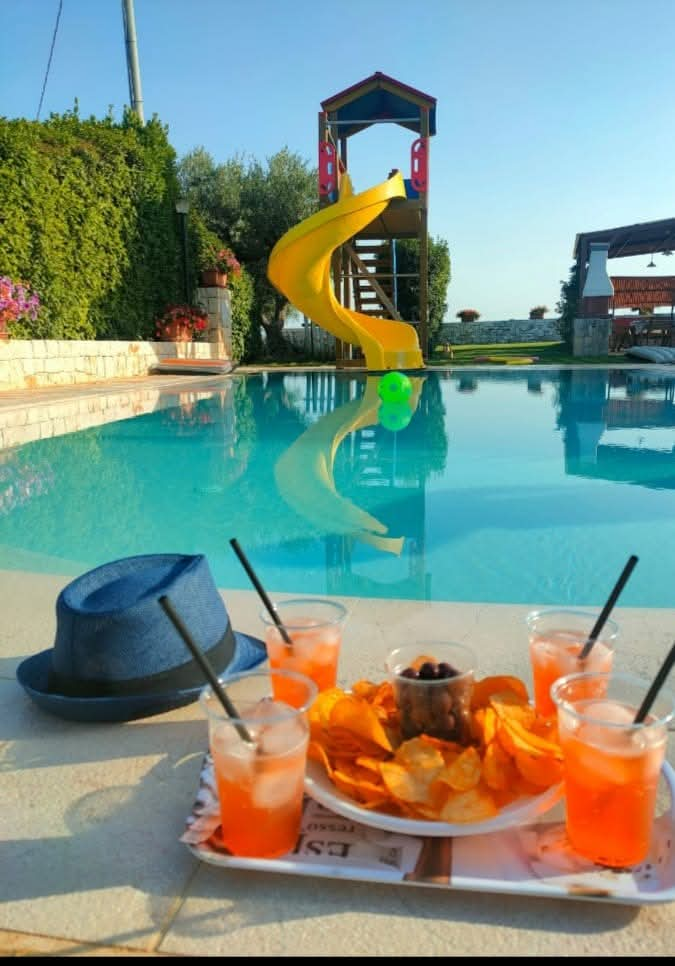
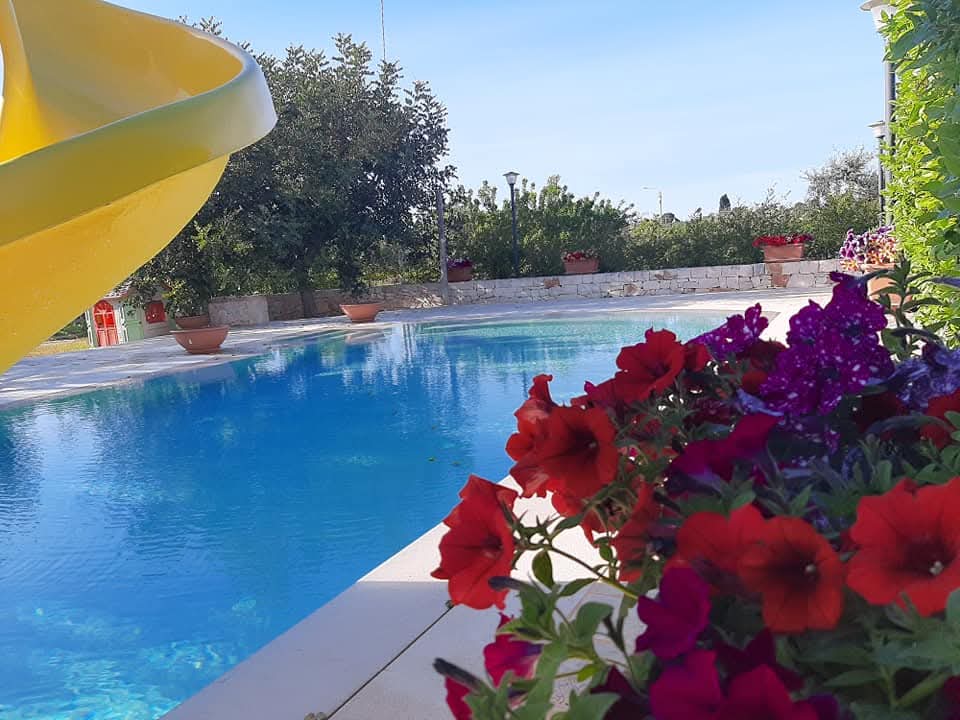
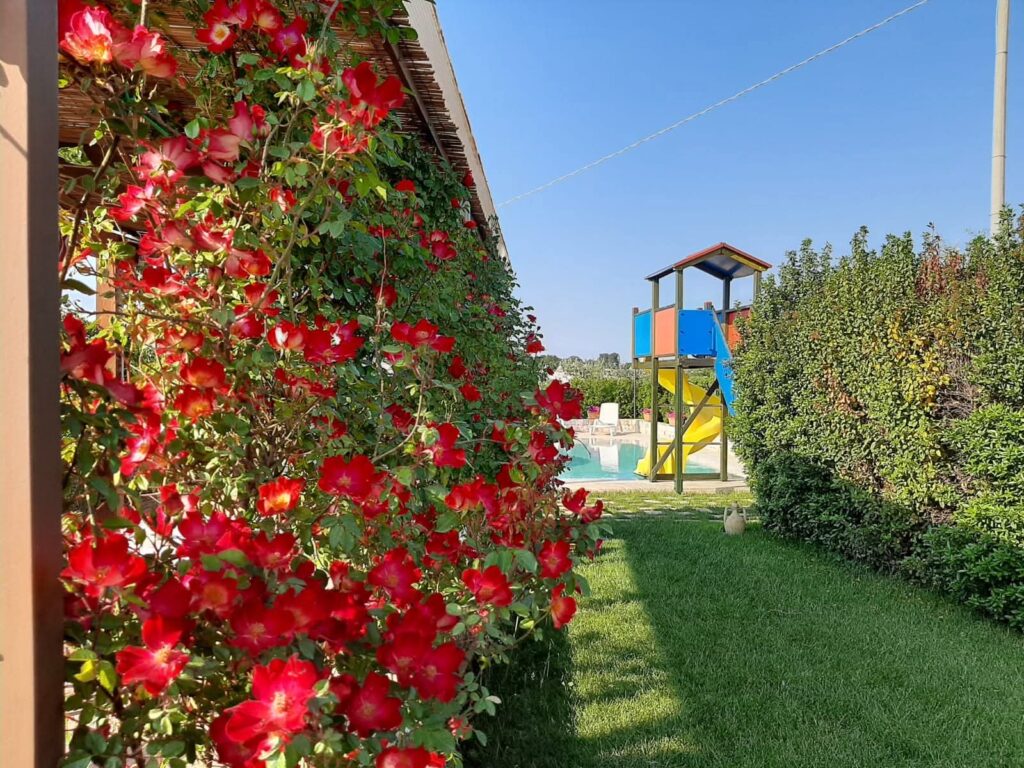
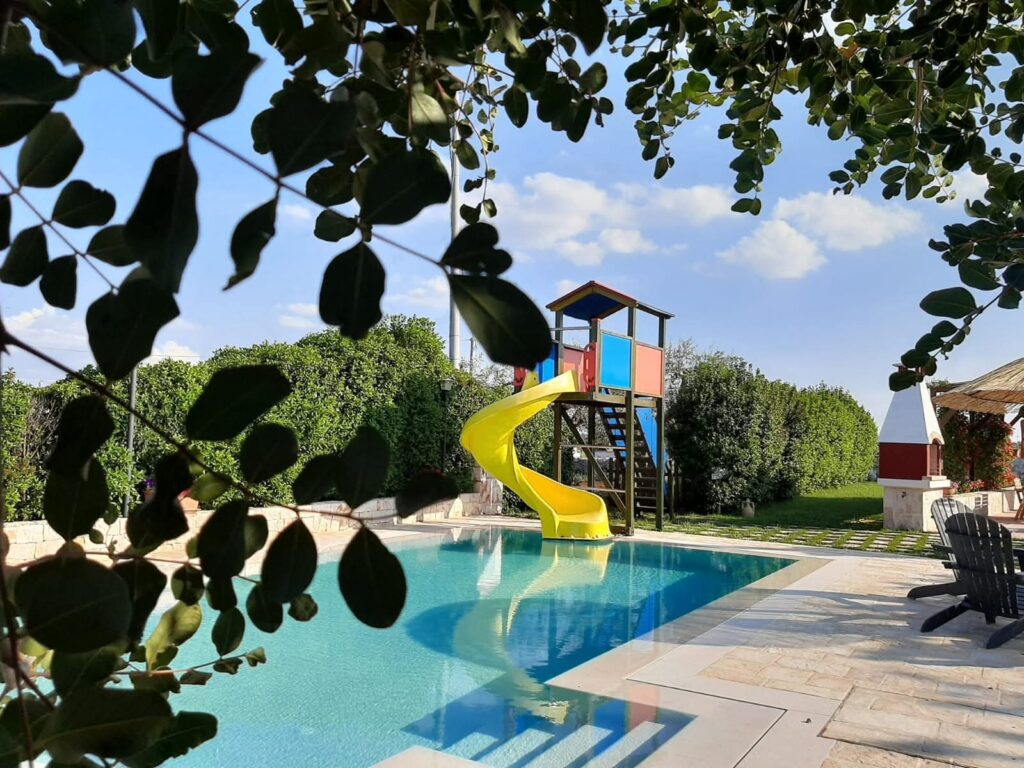
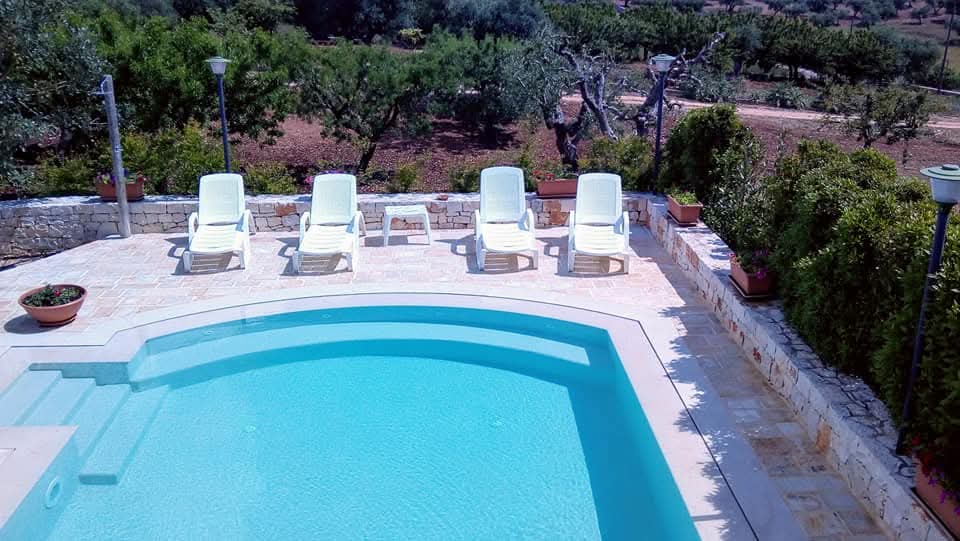
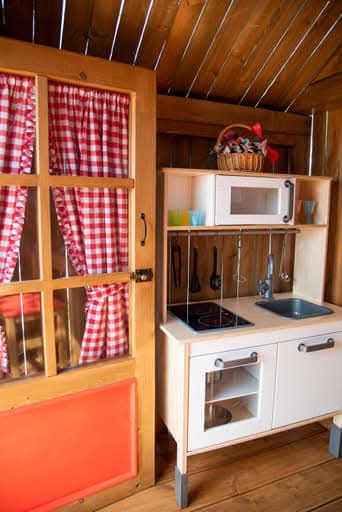
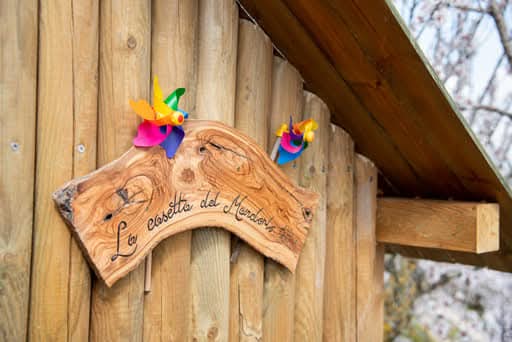
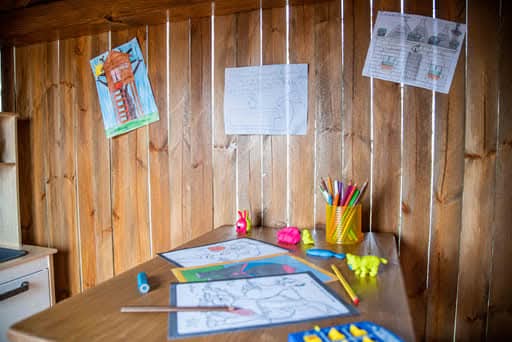
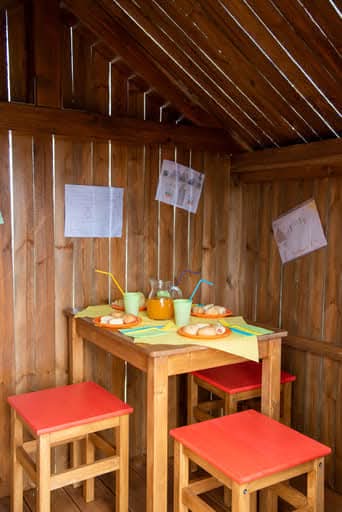
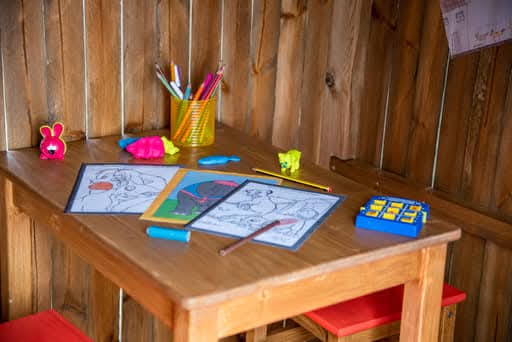
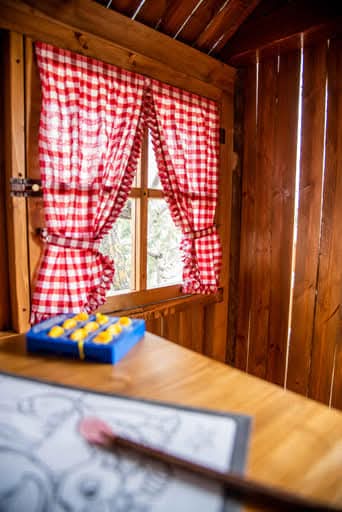
Outside, the property offre an outdoor swimming pool and an area dedicated to children, ideal for families.
The property is 38 km from the National Archaeological Museum of Taranto - MArTA and 40 km from Taranto Sotterranea. Brindisi-Casale Airport is 70 km away and can be reached via a paid airport shuttle service organised upon request.
The Trullo del Mandorlo as we said is located in the countryside of Martina Franca, in the heart of the Itria Valley, an area famous for its landscapes dotted with trulli, dry-stone walls and expanses of centuries-old olive trees.
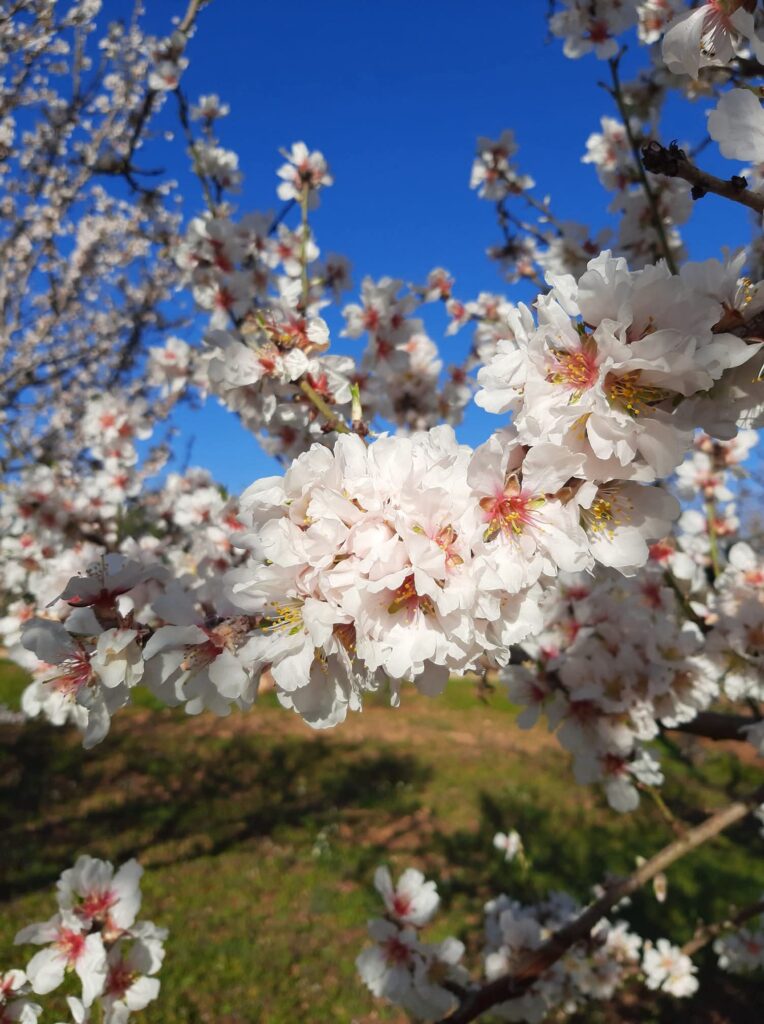
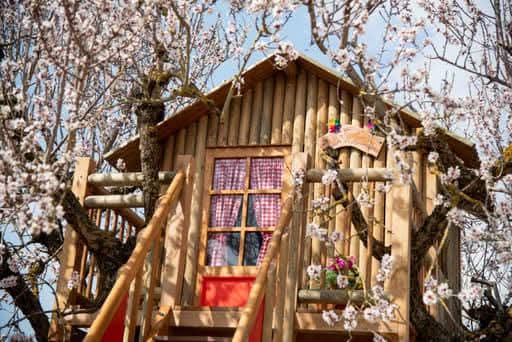
This trullo owes its name to an almond tree growing next to the structure, a delicate symbol of the Apulian countryside and its spring blossoming, when the white and pink petals illuminate the landscape.
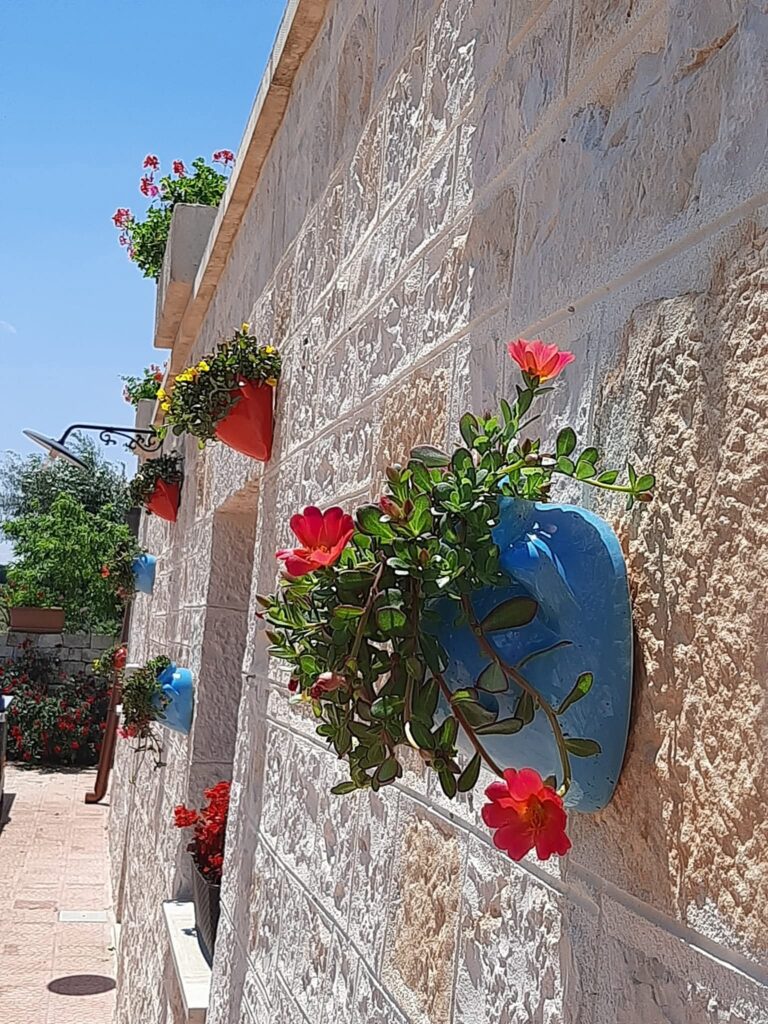
The construction presents the typical features of local rural architecturea limestone base, thick dry-stone walls and a conical roof formed by overlapping slabs called “chiancarelle”. The solidity of the walls guarantees a cool environment in summer and warm in winter, demonstrating the ingenuity of traditional building techniques.
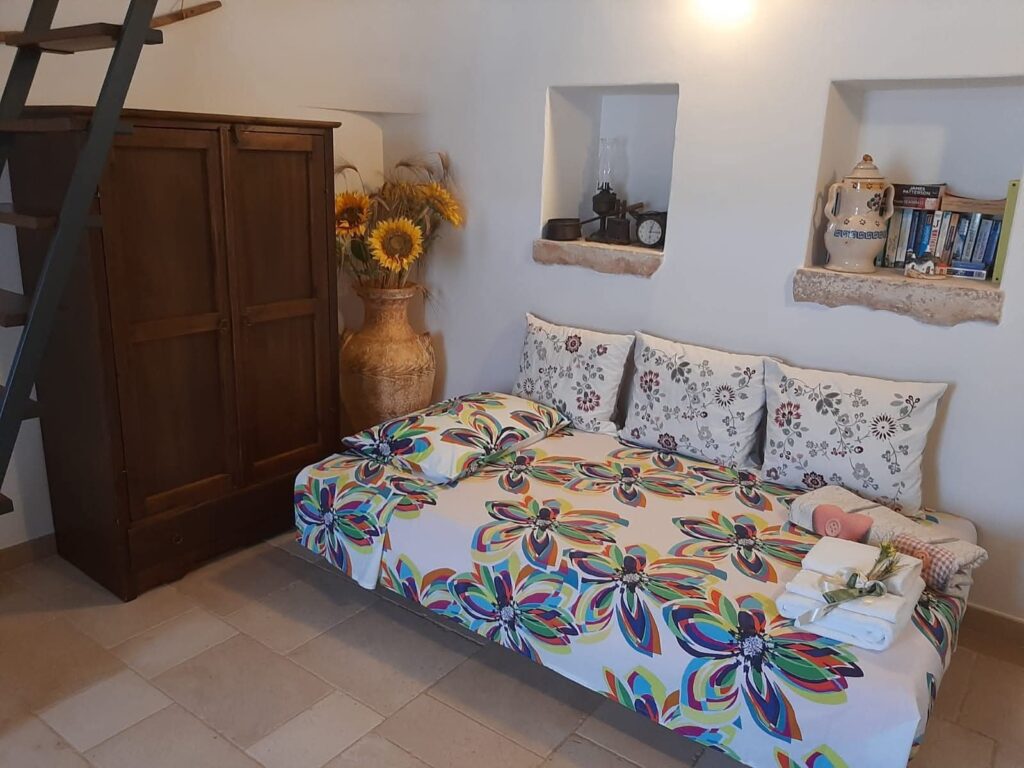
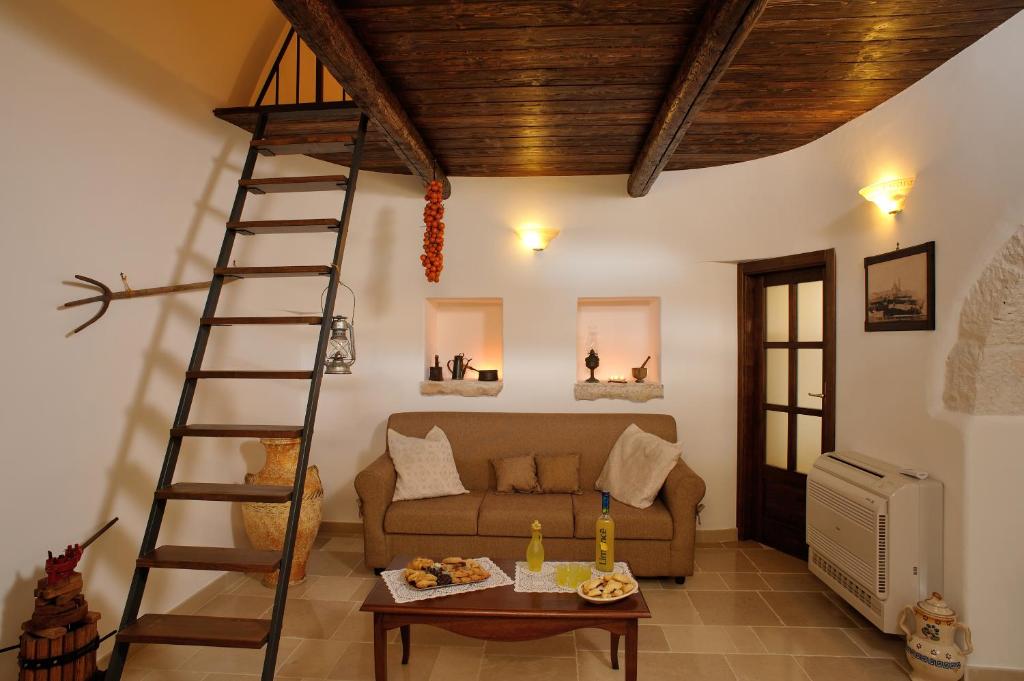
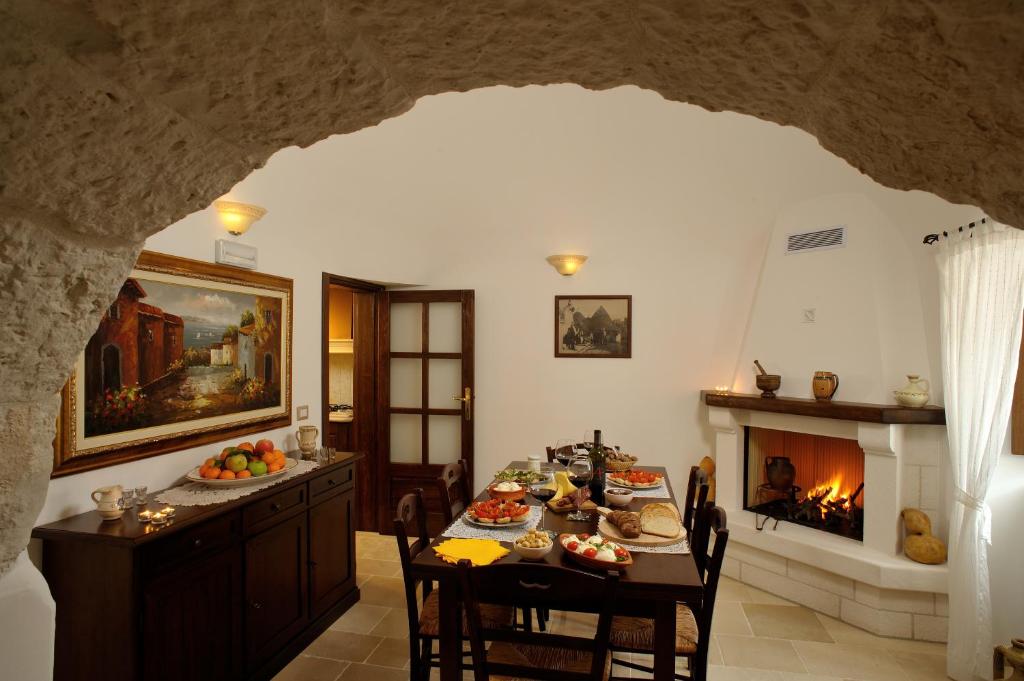
Inside, the spaces are cosy and evocative: niches carved into the walls, small stone arches and an intimate atmosphere that recounts the rural life of yesteryear. Every detail speaks of simplicity and harmony with the surrounding nature.
Immersed in the silence of the countryside, between cultivated fields and wide-open skies, the Trullo del Mandorlo di Martina Franca represents not only an example of typical architecture, but also a symbol of the cultural identity of the Itria Valley, where history, tradition and landscape come together in a timeless balance.