

The Apulian farms They are one of the defining features of the rural landscape of Puglia, combining history, tradition, architecture and, nowadays, experiential tourism as well.
To truly understand them, one must view them as complex systems: fortified farms, centres of production and, today, high-end accommodation facilities. Italian masserie were born between the 16th and 18th centuries, in a context dominated by the feudal system in the Kingdom of Naples. The term “masseria” derives from “massa”, meaning a productive agricultural unit. These structures were genuine farms self-sufficient, often isolated in the countryside and organised around:
- oil production (underground oil mills)
- breeding
- cultivation of wheat, vineyards and vegetables
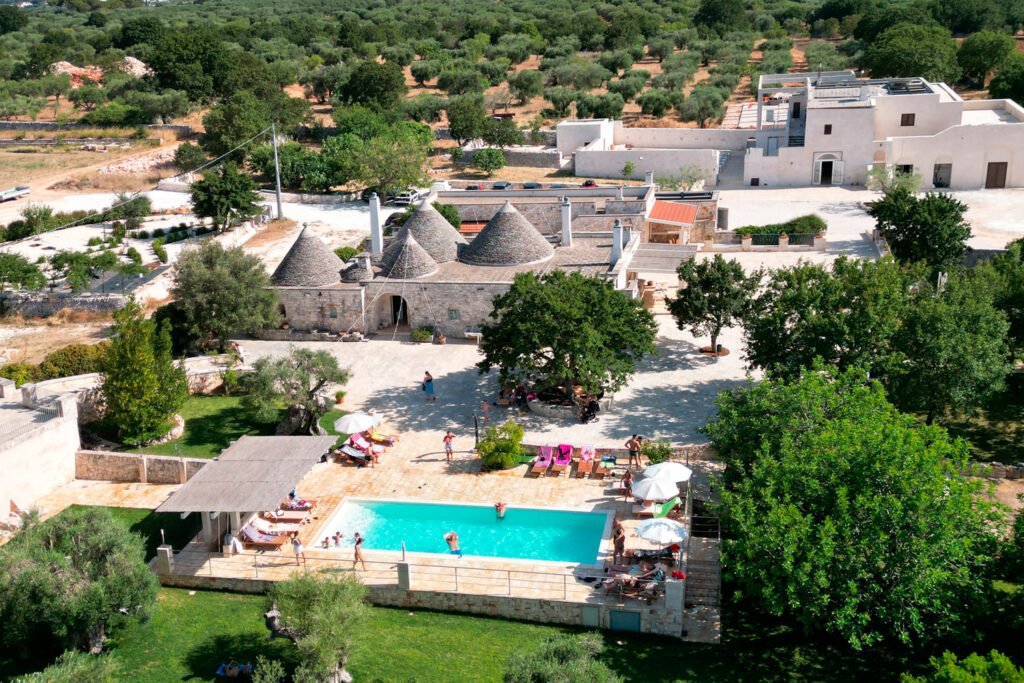
A distinctive feature is the defensive function: many farms were fortified, equipped with watchtowers and walls to protect themselves from raids, particularly along the Adriatic and Ionian coasts. The farms are distinguished for a functional yet highly distinctive style of architecture, rooted in local materials. Here are some of the key distinguishing features:
- White limestone, typical of the Apulia region
- Central courtyard: heart of productive life
- Dry stone walls (recognised by UNESCO)
- Frantoi ipogei: underground rooms for oil production
- Stables, warehouses and accommodation for farmers and owners
- In some areas, such as the Valle d'Itria, masserie coexist with trulli, creating a unique landscape.
Historically, the masseria was a self-sufficient microcosm:
- housed seasonal workers and farming families
- ensured agricultural production and processing
- was the centre of land management
The owner (often a noble or ecclesiastical body) controlled production, while the “massari” managed day-to-day activities.
From agricultural crisis to tourism renaissance: During the 20th century, as the traditional agricultural system came under pressure, many farmsteads were abandoned. However, from the 1990s onwards, there has been a significant rise in tourism. Today, the farms are:
- charming farmhouses
- luxury hotels
- locations for events and weddings
- experiential tourism centres
The farm tourism model: Apulian farmhouses fit perfectly with contemporary tourism trends, offering unique and special experiences, such as:
- oil and wine tastings
- traditional cooking courses
- olive harvesting
- nature trails among ancient olive trees
- Areas such as Ostuni, Alberobello and Monopoli have built part of their tourist offer on this very model.
What to do in an Apulian masseria, where to sleep and the concept of experiential tourism
Masserias in Apulia today represent one of the most authentic and sought-after forms of tourism in Southern Italy. They are not simply accommodation facilities, but places where you can enjoy immersive experiences amid nature, tradition and gastronomy.
Staying at a masseria means getting up close and personal with the local area, slowing down and discovering the true spirit of Puglia. One of the key factors behind the success of these masserie is the range of experiences they offer. It’s not just about sleeping there, but about taking part in authentic activities.
- extra virgin olive oil tastings
- wine tasting of local wines
- typical dinners with zero-km products
- visits to underground oil mills
- Traditional activities
- Apulian cooking courses (orecchiette, focaccia, preserves)
- olive harvest (in season)
- participation in agricultural life
- Nature and relaxation
- walks among ancient olive trees
- cycling tours in the countryside
- yoga and outdoor wellness
- relaxing by the pool surrounded by nature
- Apulian cooking classes
- food and wine routes
- private events and weddings
Areas such as the Itria Valley are perfect for this kind of experience, thanks to the unique landscape of trulli and countryside.
Why choose a farmhouse for your holiday? Choosing a masseria in Apulia means:
- a unique experience compared to standard hotels
- immersing oneself in nature and local culture
- discovering authentic traditions and flavours
- relaxing away from mass tourism
It is the ideal choice for couples, families and travellers seeking quality and authenticity. Today, Apulian farmhouses symbolise a more sophisticated form of tourism, where hospitality, the local area and the experience come together. It is not just about “where to stay”, but about how to experience Apulia in an authentic and profound way.