

What is there to see in Giovinazzo? If you’re planning a trip to Puglia and are looking for an authentic village overlooking the Adriatic Sea, Giovinazzo is definitely worth a visit.
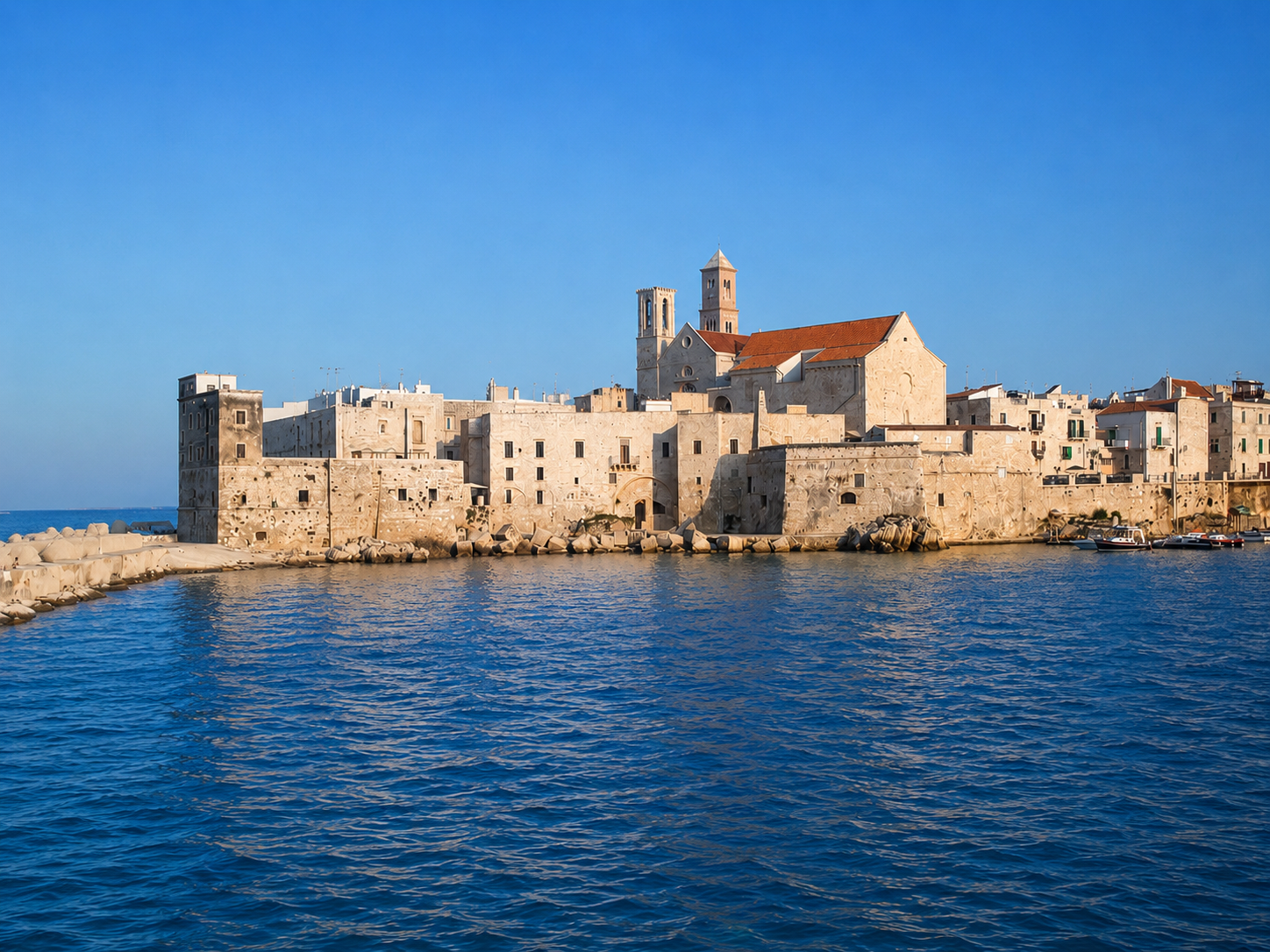
Just a few kilometres from Bari, this small town boasts a charming medieval historic centre, a picturesque little harbour, ancient walls and significant examples of Apulian Romanesque architecture. Giovinazzo is an ideal destination for a stroll lasting a few hours, but also for those who wish to take their time discovering a less crowded corner of the Apulian coast. The old town is situated on a small headland overlooking the sea and features narrow streets, arches, churches, historic buildings and panoramic views that make exploring it on foot a particularly pleasant experience.
In this guide, we’ll find out What to see in Giovinazzo, what are the must-see places and why it might be an interesting stop-off during a holiday in Monopoli, Bari and along the Adriatic coast of Puglia.
The historic centre of Giovinazzo
The ideal starting point for visiting Giovinazzo is its historic centre, a maze of narrow streets and alleyways leading down to the sea and the old harbour. As you stroll at a leisurely pace, you’ll come across arches, small squares, stone houses, historic buildings and ancient churches. It is precisely the village’s intimate scale that makes a visit so enjoyable: many of the main attractions can be reached simply by walking. The historic centre preserves traces of different eras, from the Roman period to medieval architecture and Baroque additions. It is therefore an interesting destination not only for those seeking the seaside, but also for enthusiasts of history, architecture and Apulian culture.
- Trajan’s Arch and the entrance to the old town.
One of the most picturesque places to visit in Giovinazzo is the’Trajan’s Arch, considered one of the ancient entrances to the historic centre. The arch leads into the oldest part of the town and is one of the first historical landmarks encountered whilst strolling through the old town. The structure is particularly interesting due to the presence of the milestone columns and its link to the history of the town and the ancient Roman road network. Once through the arch, you gradually enter the heart of the historic centre, where it is well worth wandering aimlessly, letting yourself be guided by the narrow streets and the views of the sea. - Piazza Vittorio Emanuele II and the Triton Fountain.
Another important stop on the itinerary is Vittorio Emanuele II Square, one of Giovinazzo’s main squares and one of the most characteristic settings for town life. In the centre of the square stands the monumental Triton fountain, created in 1933 by the Giovinazzo-born sculptor Tommaso Piscitelli. The large square, surrounded by historic buildings and local establishments, is particularly pleasant during the milder hours of the day and is a good starting point for continuing your visit. - The Co-Cathedral of Santa Maria Assunta.
Among the things to see in Giovinazzo, the Co-Cathedral of Santa Maria Assunta It certainly holds a prominent place. The cathedral, built in the Apulian Romanesque style, dates back to the 12th century and dominates Piazza Duomo with its distinctive elevated position. Over the centuries, the building has undergone various alterations, particularly during the Baroque period, but it still retains important elements of its original structure. Of particular interest is the Romanesque crypt, characterised by columns and capitals from different periods and origins. Inside the cathedral, there is also the Our Lady of Corsignano, one of the most important sacred images in the religious tradition of Giovinazzo. A visit to the cathedral therefore offers an opportunity to gain a deeper understanding not only of the city’s religious history, but also of the region’s artistic and architectural heritage. - Piazza Duomo and Palazzo Ducale
After visiting the cathedral, it’s worth stopping off at Piazza Duomo, one of the most picturesque corners of the historic centre. The square is also overlooked by the Ducal Palace, an important historic building dating from the 17th century. Its location, close to the sea and the ancient defensive structures, helps to create one of the village’s most characteristic views. From this area, you can continue along the narrow streets that lead to the city walls and the panoramic views of the harbour.
The little harbour at Giovinazzo: one of the most beautiful views
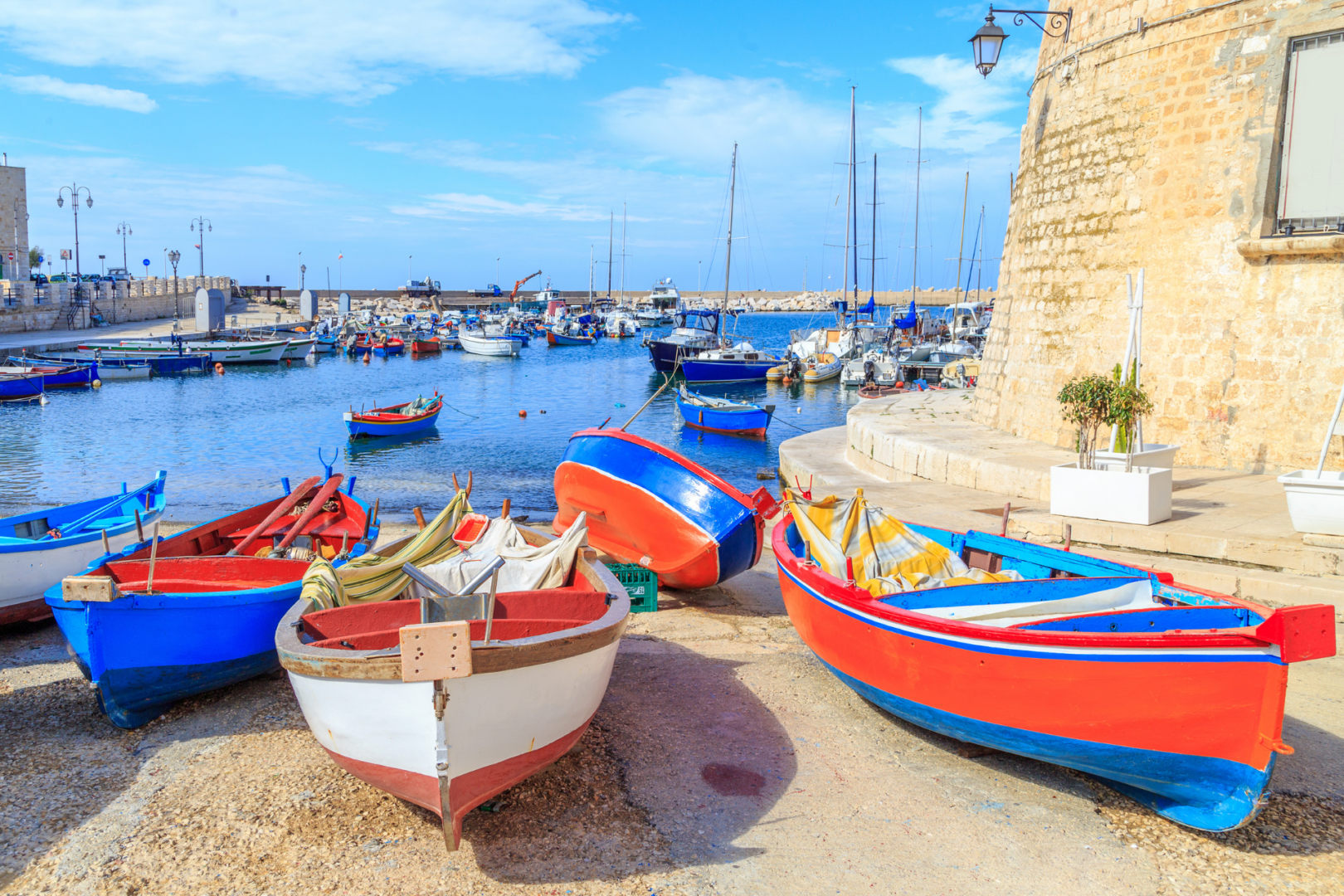
If there is one image that captures the essence of Giovinazzo, it is probably that of its ancient little harbour. Small fishing boats, crystal-clear water, stone buildings and the village walls create a particularly picturesque setting. The harbour is situated between the town’s two seafront promenades and is one of the best places to stop off during a visit, especially in the late afternoon. The relationship between the historic centre and the sea is, in fact, one of the elements that make Giovinazzo so special: the town almost seems to look out directly onto the Adriatic.
From the small harbour, you can continue along the Marina Italiana Promenade or towards the other seafront promenade, enjoying the views and the atmosphere of this coastal town. The harbour promenade also offers a chance to see the Aragonese walls, built in the 15th century to strengthen the town’s defences. Among the most recognisable features of the fortifications is the Aragonese keep, also known by the dialect name “u tammurre” because of its rounded shape. The ancient walls tell the long history of Giovinazzo and help to define the town’s silhouette as seen from the sea. For this reason, they are also an interesting stop for those who simply wish to photograph one of the town’s most characteristic views.
The seafront and the promenades by the sea
Giovinazzo is not just about history and monuments. Its connection with the sea can also be experienced through walks along the coast. The historic centre divides the seafront in two directions, allowing you to alternate between exploring the town and relaxing by the Adriatic. The best way to appreciate this part of the town is probably to stroll at a leisurely pace, especially at sunset, when the light brings out the best in the walls and façades of the buildings overlooking the sea. During the warmer months, a stroll can also be an opportunity to stop off at a café or bar and soak up the typical atmosphere of Apulian seaside villages.
The churches and hidden corners of the historic centre
One of the most interesting features of Giovinazzo is the presence of numerous churches and small religious buildings scattered throughout the historic centre. Among these, the following are particularly worth noting: Church of Our Lady of Constantinople, the little church of Sant’Andrea and other small places of worship that you come across during your walk. There’s no need to stick to a strict itinerary: part of Giovinazzo’s charm lies precisely in looking around and discovering architectural details, bas-reliefs, inscriptions and little glimpses that often don’t feature on the best-known tourist routes.
Giovinazzo: what to see in a day
If you only have one day to spare, it’s still possible to put together a comprehensive itinerary to explore the village. An ideal route could start from the historic centre, passing by the Arch of Trajan and Piazza Vittorio Emanuele II. From here, you can continue towards the Co-Cathedral of Santa Maria Assunta and Piazza Duomo, before reaching the small harbour and the Aragonese walls. In the afternoon, however, it is lovely to take a stroll along the seafront and stop at one of the local bars or restaurants for an aperitif or a dinner featuring Apulian specialities. The result is a day that allows you to combine history, the sea, walks and fine dining, without having to travel long distances.
When is the best time to visit Giovinazzo? Giovinazzo can be visited all year round, but spring and early autumn are particularly pleasant for those who wish to stroll through the historic centre in mild temperatures and a more peaceful atmosphere. Summer, on the other hand, is the ideal time to combine a cultural visit with a trip to the seaside and strolls along the seafront. The longer days also mean you can stay until sunset and experience the town at its most enchanting. For this reason too, Giovinazzo can easily be included in a wider itinerary exploring the Apulian Adriatic coast.
Giovinazzo and Monopoli: two seaside villages waiting to be discovered! If you’re staying in Monopoly, a visit to Giovinazzo can be a delightful day out exploring the Apulian coast. In fact, the two towns each reveal a different aspect of the same region: Monopoli charms visitors with its historic centre by the sea, its coves and its picturesque old harbour, whilst Giovinazzo offers a more intimate atmosphere and a particularly charming medieval village. Giovinazzo’s location also makes it easy to include it in an itinerary that also features Bari, Polignano a Mare, Monopoli and the other towns along the Adriatic coast.
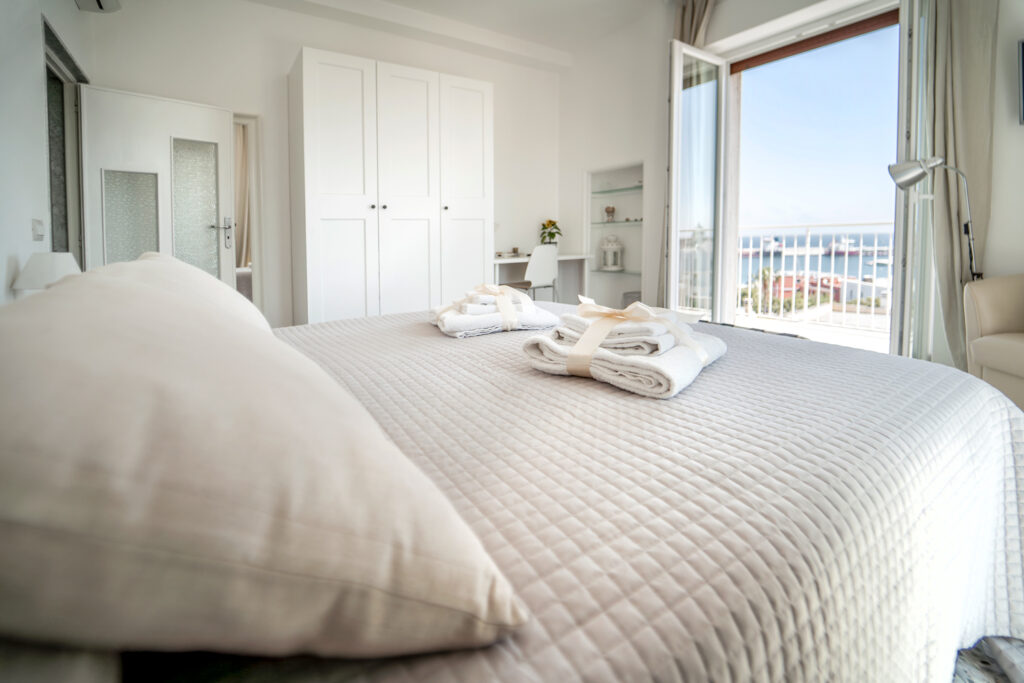
Where should you stay when visiting Giovinazzo and Puglia? To explore Giovinazzo and organise trips to the main towns and villages in Puglia, stay in Monopoli It could be a particularly attractive option. The town offers the chance to combine a seaside holiday with the opportunity to visit various villages and destinations in the surrounding area. On our website, you can compare holiday homes, flats, farmhouses, agritourism accommodation, trulli, holiday complexes and other accommodation options, choosing the option that best suits your trip.
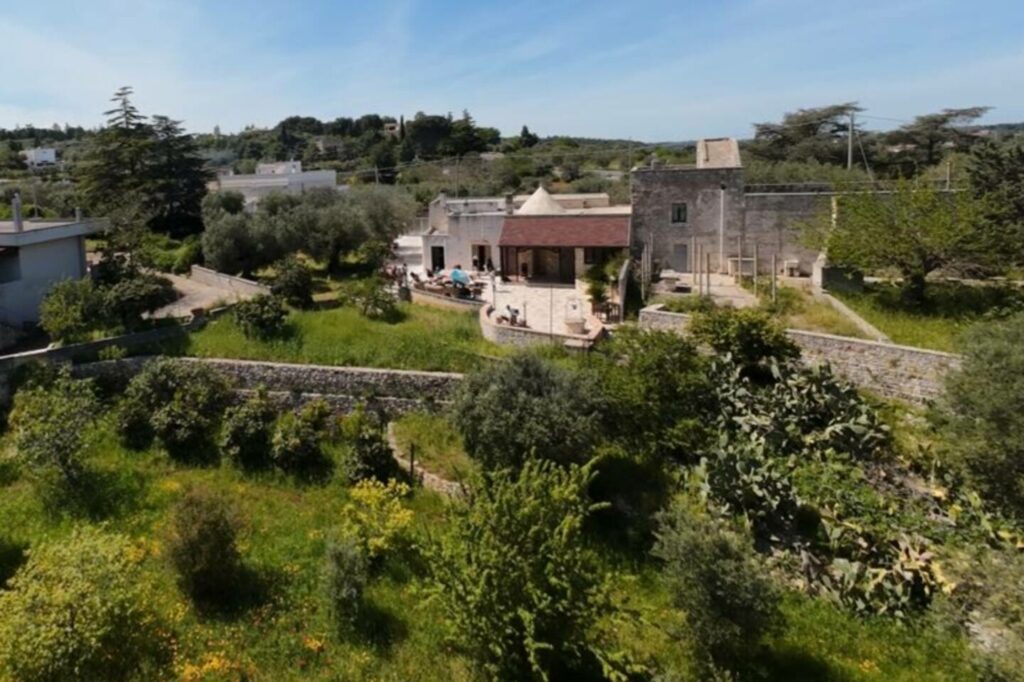
If, on the other hand, you want to explore Monopoli without using a car, you could opt for a holiday home in the historic centre, whilst for those who prefer peace and quiet and rural landscapes, there are options set in the Apulian countryside. Discover our accommodation options and plan your stay in Puglia: Monopoli can be the ideal starting point for exploring Giovinazzo and many other destinations along the coast and inland.
FAQ: What to see in Giovinazzo
- What are the must-see attractions in Giovinazzo?
Giovinazzo’s main attractions include the historic centre, the Arch of Trajan, Piazza Vittorio Emanuele II, the Co-Cathedral of Santa Maria Assunta, Piazza Duomo, the old harbour, the Aragonese walls and the Torrione. - How long does it take to visit Giovinazzo?
A single day may be enough to see Giovinazzo’s main attractions. The town is compact, and many of the main attractions can be reached on foot. A more leisurely visit, on the other hand, allows you to spend more time on the seafront, at the harbour and enjoying the local cuisine. - Is Giovinazzo a good place for a day trip?
Yes. Giovinazzo is a particularly good choice for a day trip, thanks to the compact size of its historic centre and the chance to combine sightseeing, seaside strolls and Apulian cuisine. - What is there to see in Giovinazzo by the sea?
The old harbour, the Aragonese walls, the tower and the seafront promenades are among the most interesting places from which to admire the relationship between the historic town and the Adriatic Sea. - Is it possible to visit Giovinazzo from Monopoli?
Yes. Giovinazzo can be included in a wider itinerary exploring Puglia and the Adriatic coast, alongside places such as Bari, Polignano a Mare and Monopoli.