

Holiday Homes
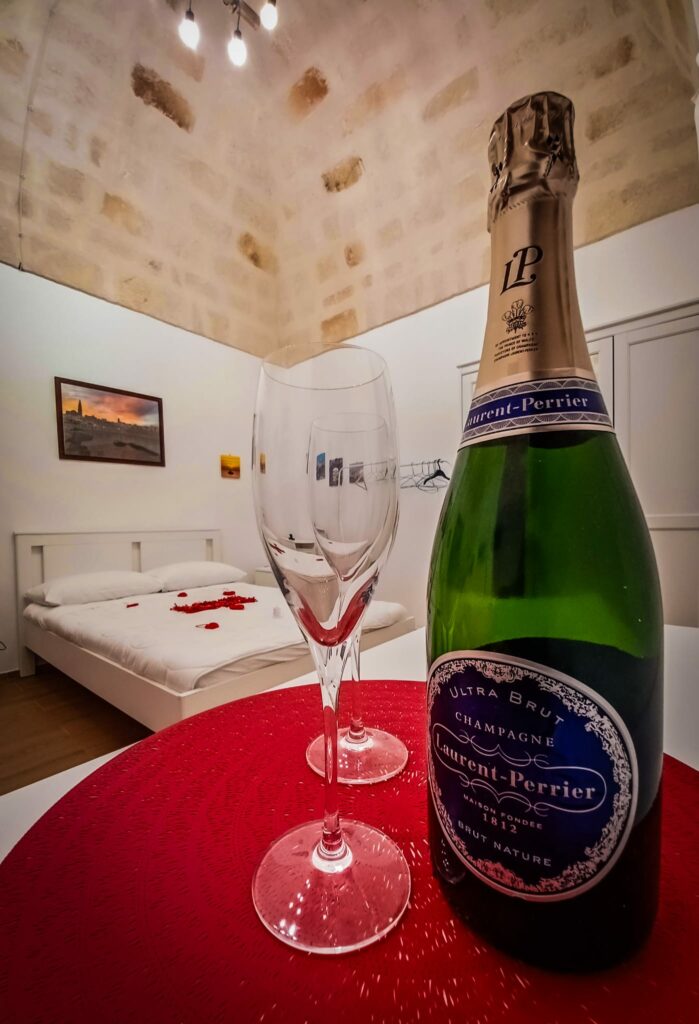
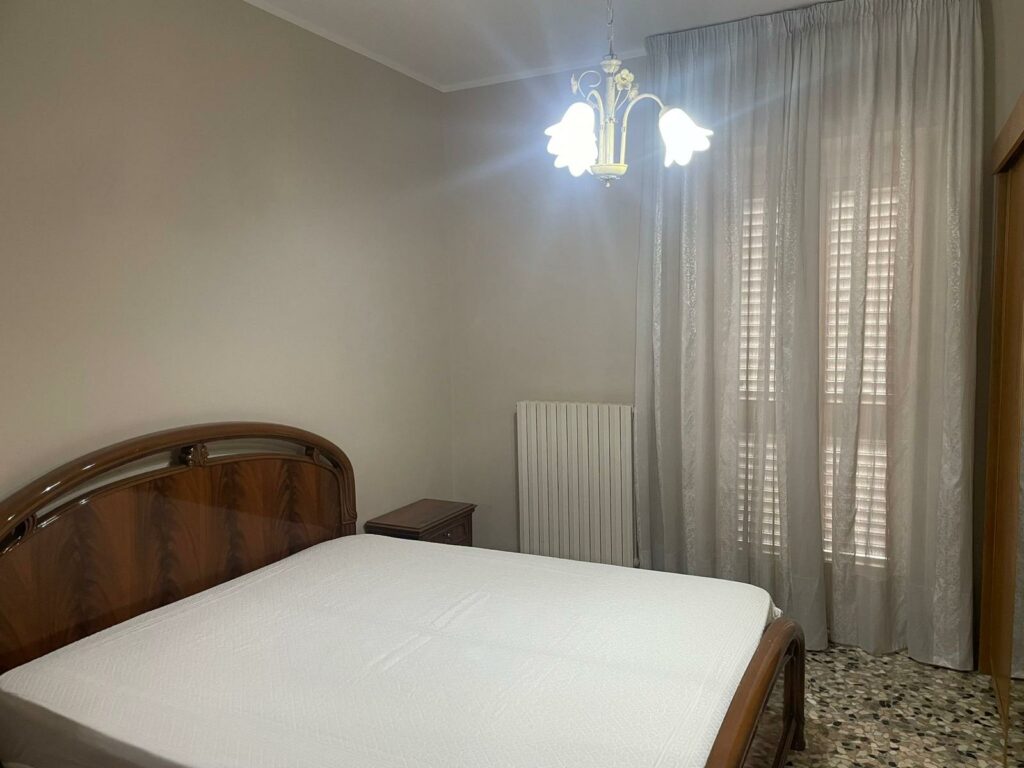
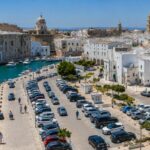
Freedom, privacy and comfort – just like at home! Find fully equipped holiday homes and flats so you can explore Monopoli and Puglia at your own pace.

Country House
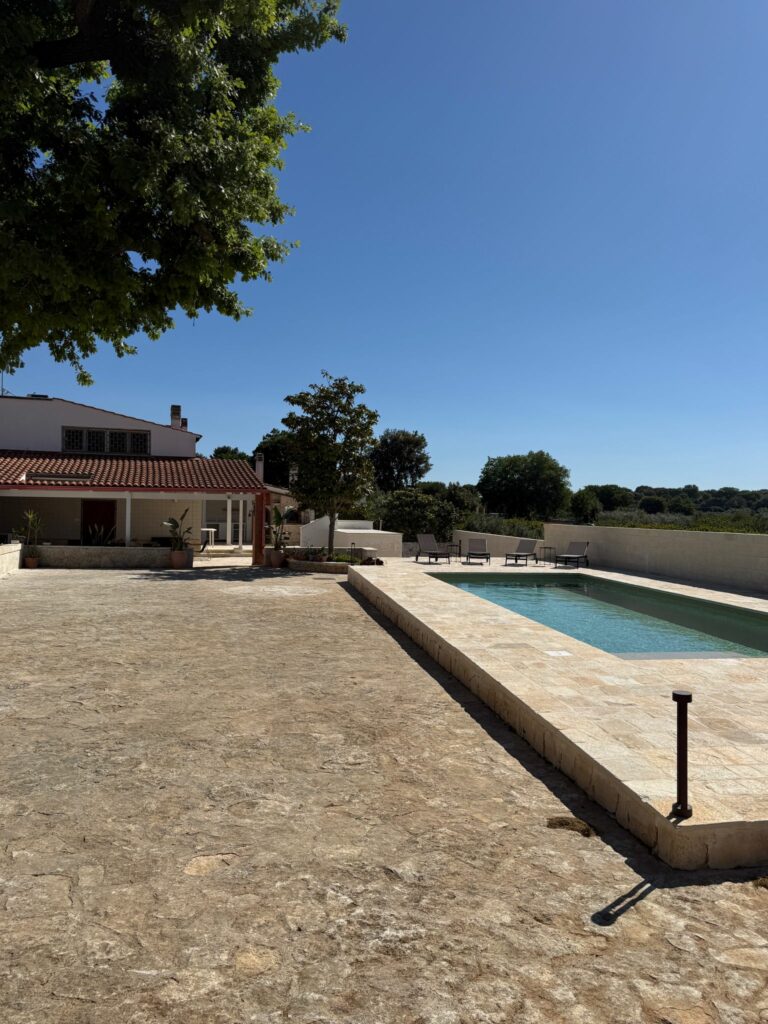
Surrounded by nature, authentic flavours and relaxation! Experience the Apulian countryside by staying in farmhouses nestled amongst centuries-old olive trees, local traditions and unspoilt landscapes.

Bed and Breakfast
A warm, family-run welcome and comfort! Choose a bed and breakfast for a cosy stay, with excellent facilities and the chance to explore the local area with tips from those who live there every day.

Hotel
Services, comfort and a warm welcome! From seaside hotels to accommodation in the historic centre, choose the perfect option for a carefree holiday.
Trulli
A unique stay in the heart of the Itria Valley! Experience the thrill of sleeping in an authentic Apulian trullo and discover one of the region’s most iconic landmarks.

Farmhouses
The authentic tradition of Puglia! Stay in a masseria and let yourself be charmed by the beauty of the Puglian countryside, with its historic architecture, olive groves and genuine hospitality.

Residence
The perfect solution for longer stays! A residence offering self-catering apartments and dedicated facilities, ideal for families, couples and anyone looking for maximum flexibility.
Campsites and Holiday Villages
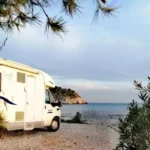
Outdoor holidays for the whole family! Campsites and holiday villages by the sea, ideal for those looking for fun, facilities and a holiday surrounded by nature.
Historic Houses and Villas
Exclusive stays combining charm and elegance! Discover prestigious villas and historic residences brimming with charm, perfect for a relaxing and authentic stay.
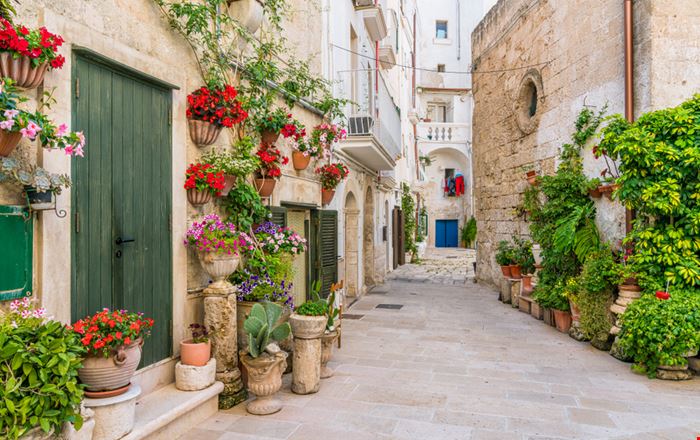
Historical centre
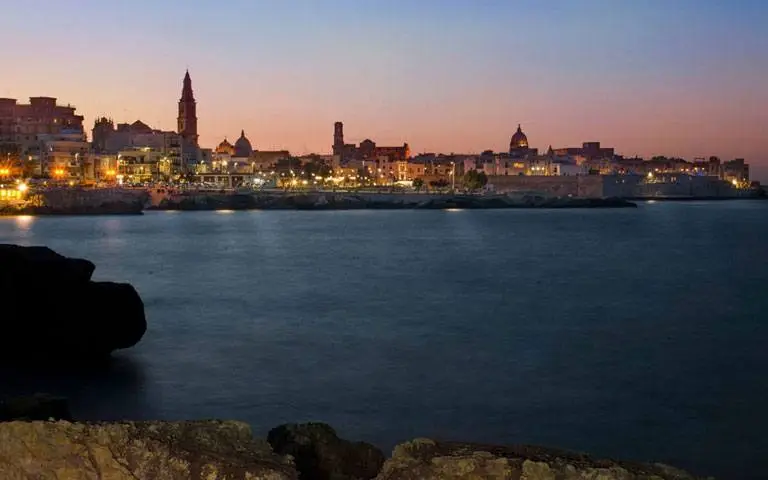
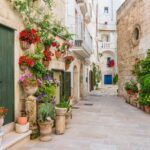
Experience Monopoli through its narrow streets, squares, historic harbour and town beaches.
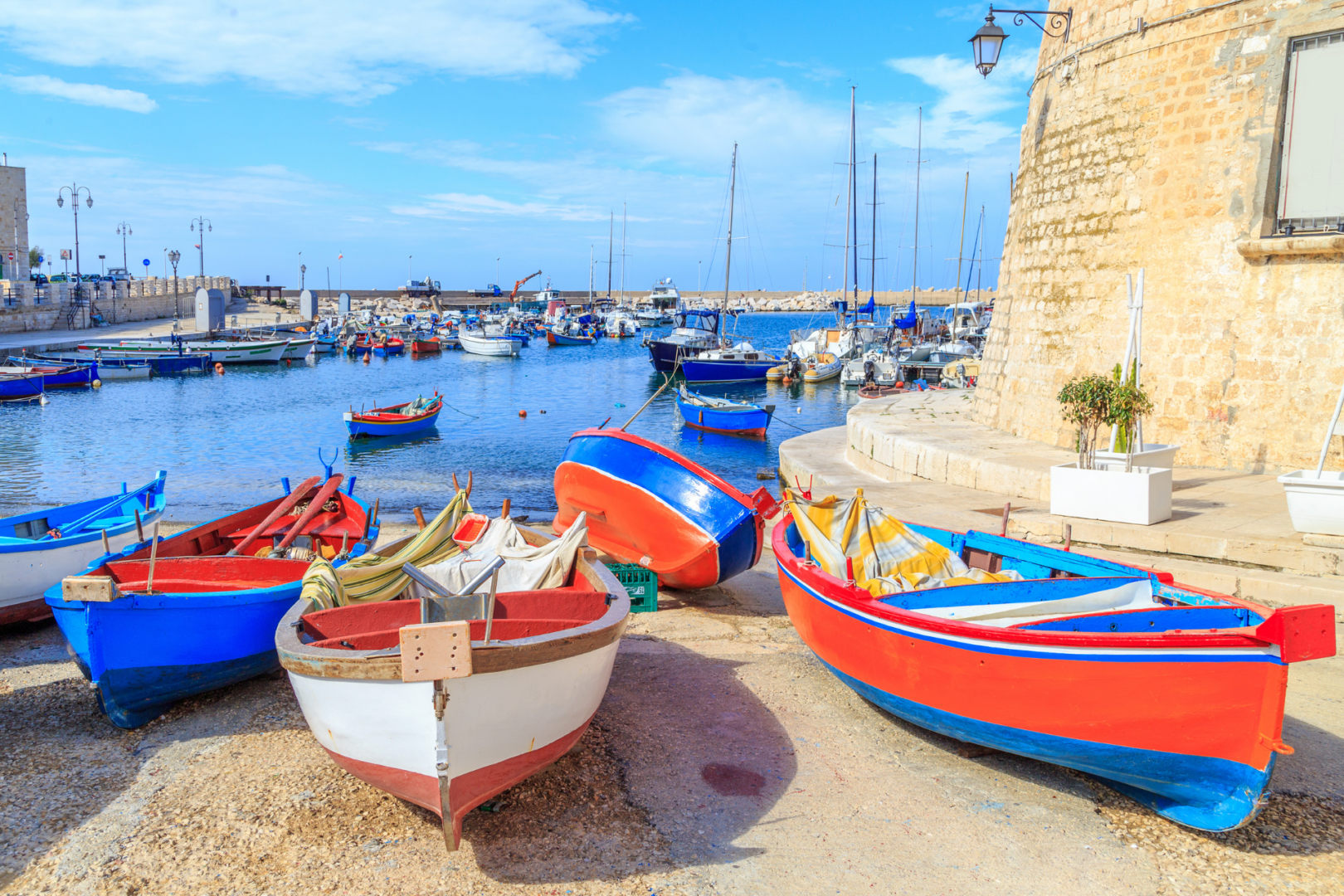
The Harbour and the Promenade
The sea right before your eyes, and all the charm of the town centre just a stone’s throw away.
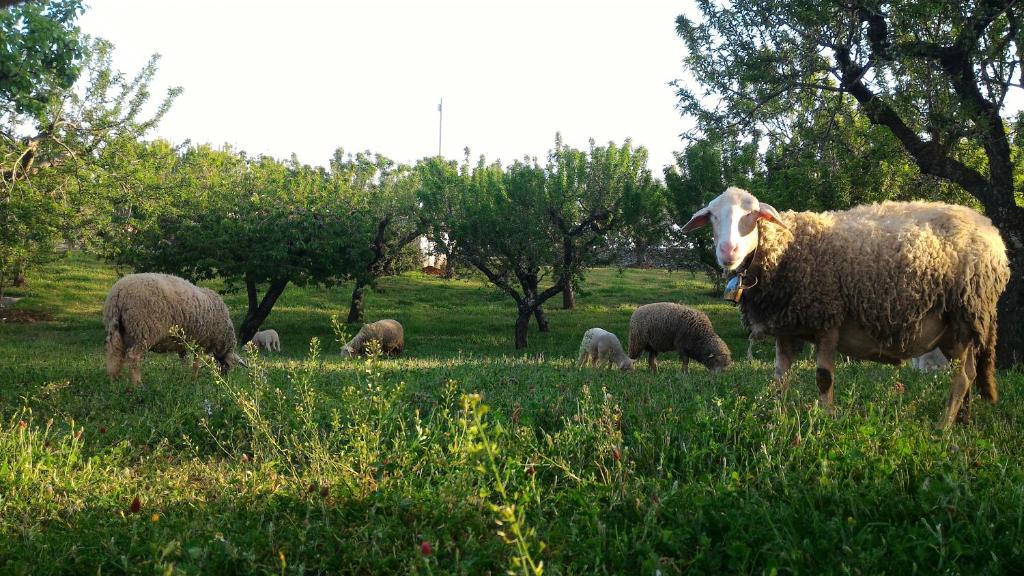
Campaign
Olive groves, farmhouses and tranquillity: experience the most authentic side of Puglia.
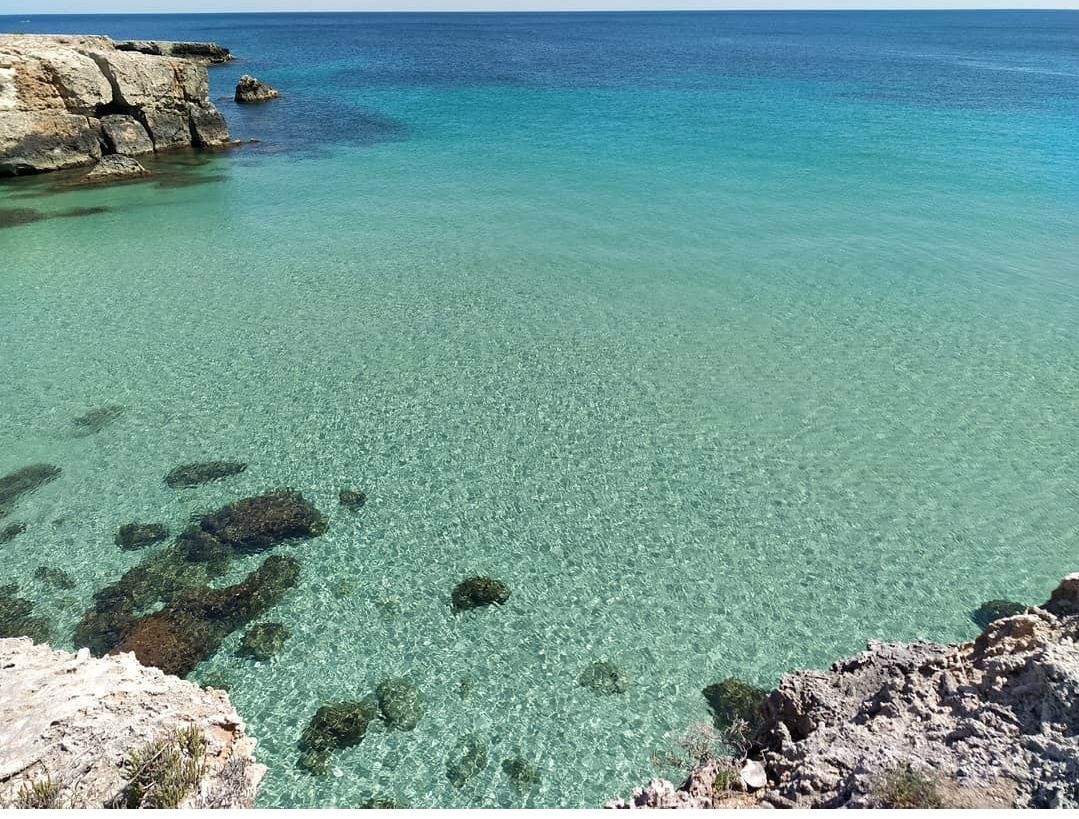
Chapter
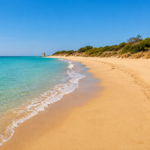
Beaches, crystal-clear sea and a summery atmosphere on the Monopoli coast.
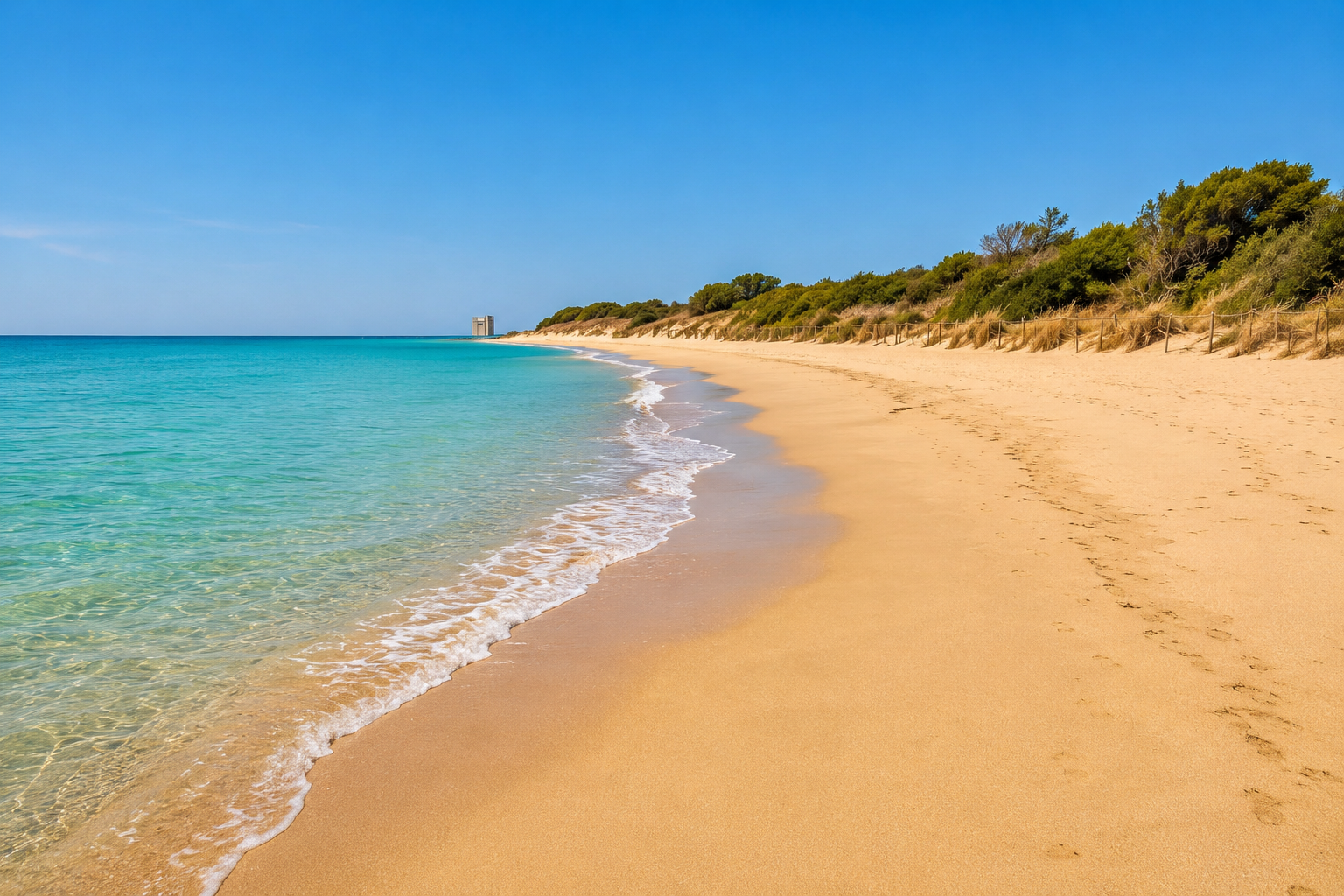
Near the sea
Choose a holiday home just a stone’s throw from the beaches of Monopoli.
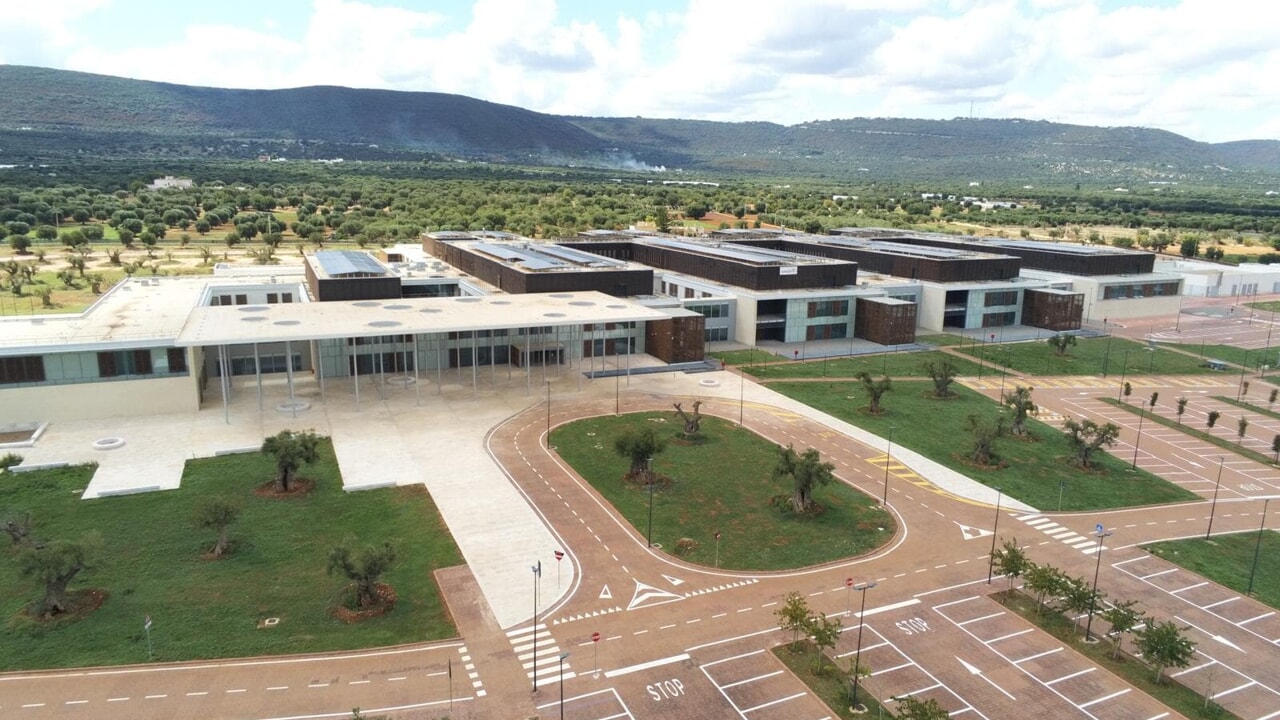
Hospital
Convenient accommodation options near key healthcare facilities.
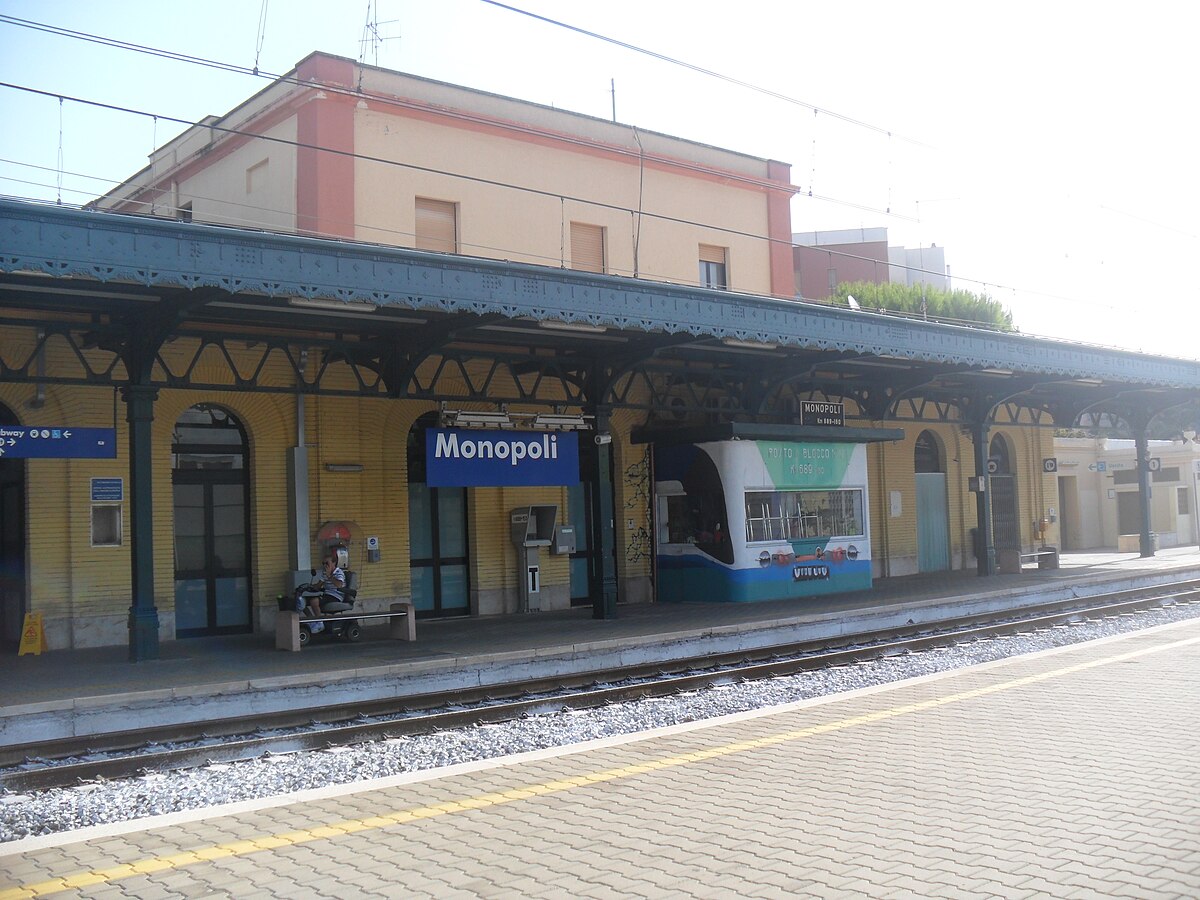
Railway station
Get around easily without a car and reach the city centre and the main towns in Puglia.
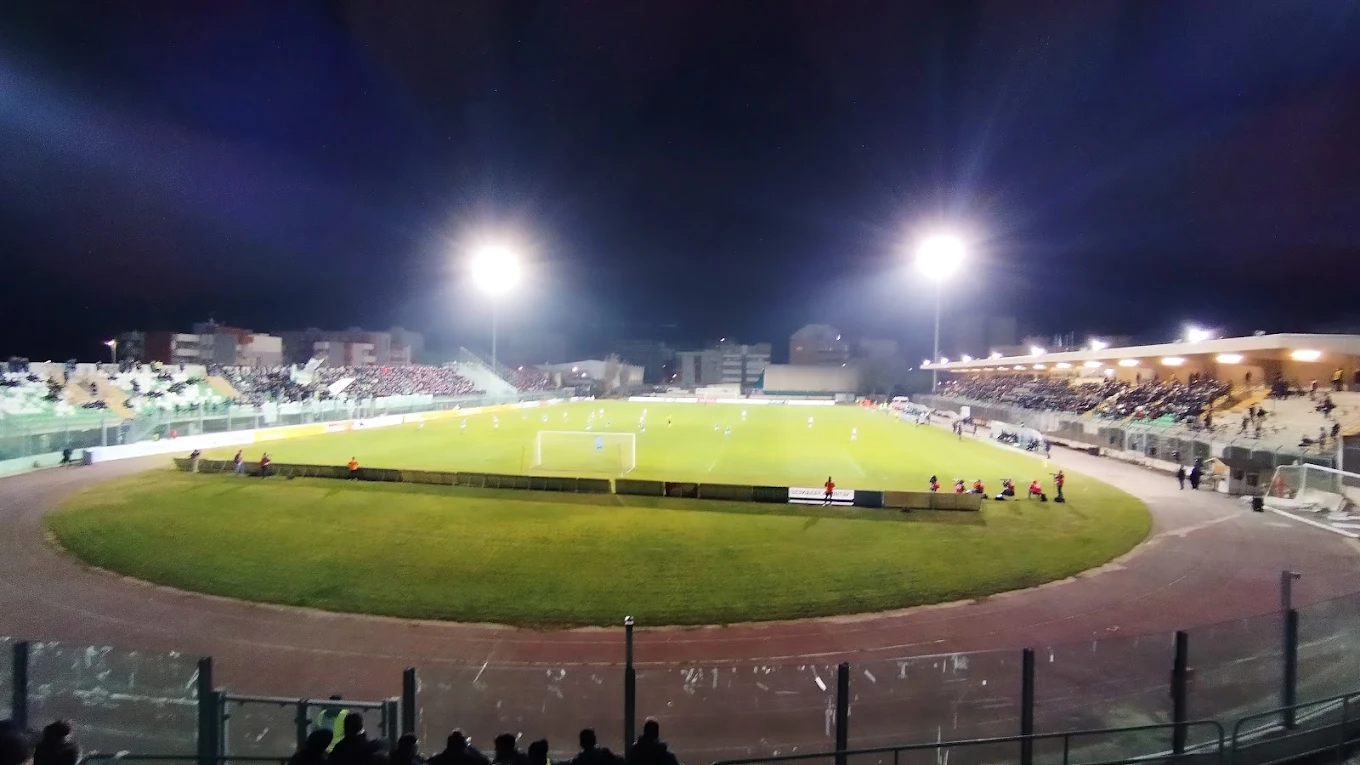
Veneziani Stadium
Comfortable accommodation for sporting events, holidays and business trips in Monopoli.
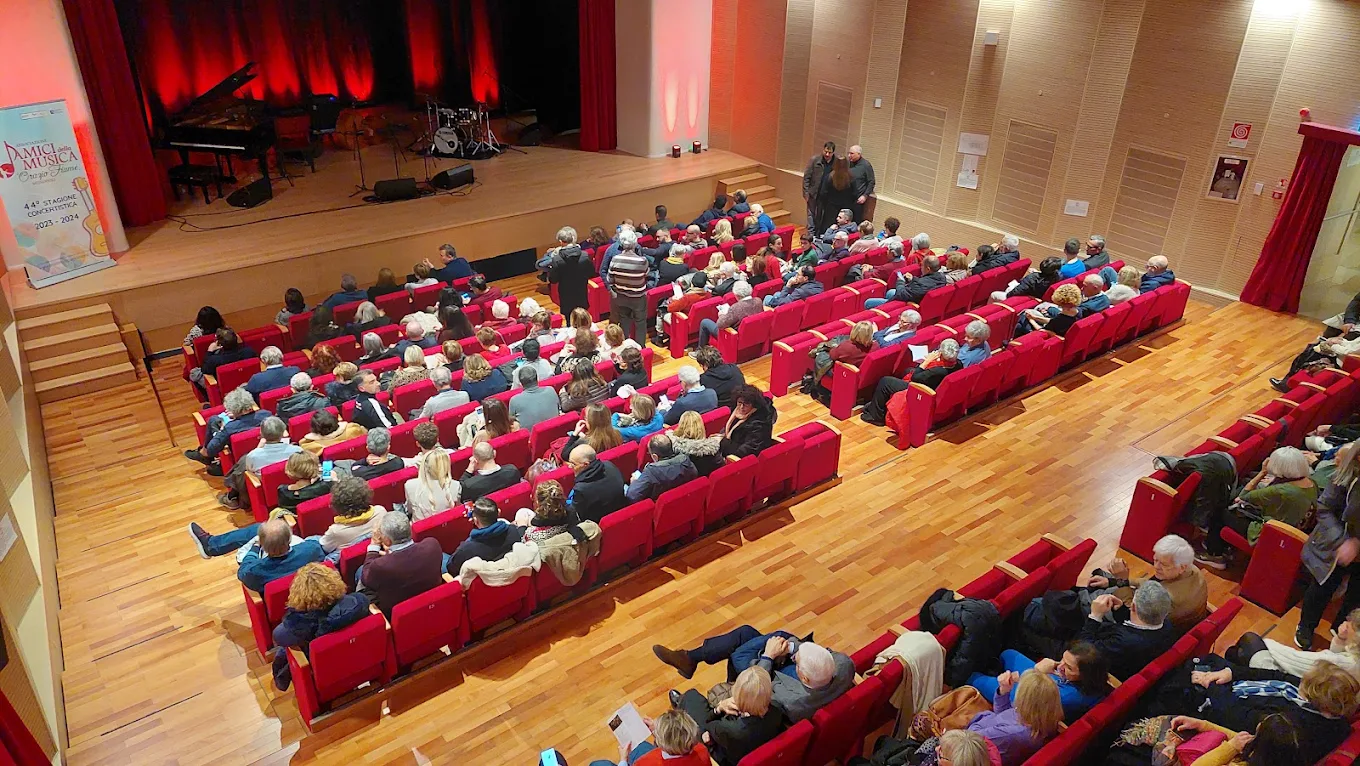
Radar Theatre
Stay close to cultural attractions, entertainment and the city centre.
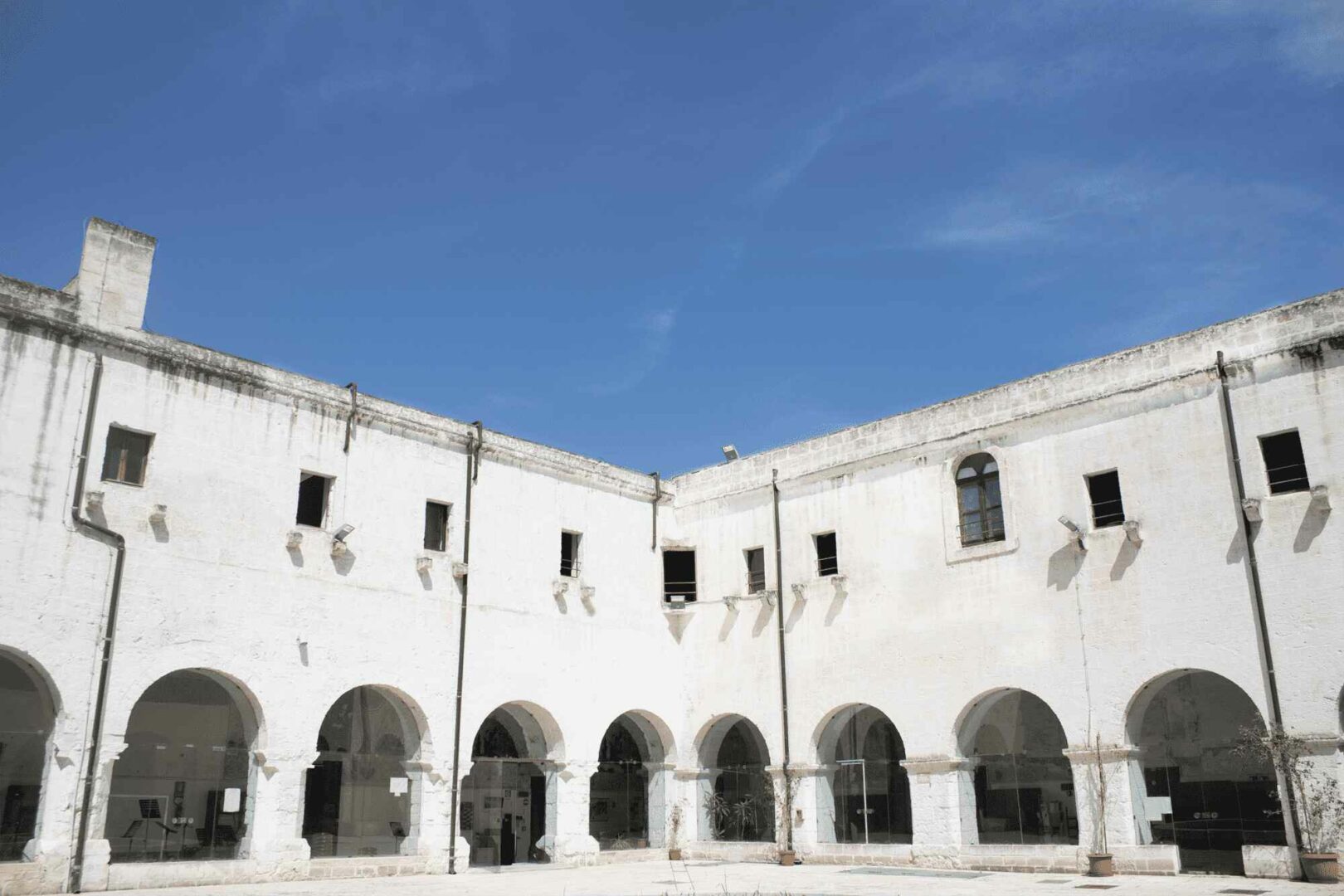
Nino Rota Conservatoire
An ideal location for students, musicians, families and cultural visits.